Top Apps Reviews may earn a commission when you buy through links on this page, at no extra cost to you, and this does not influence our ratings.
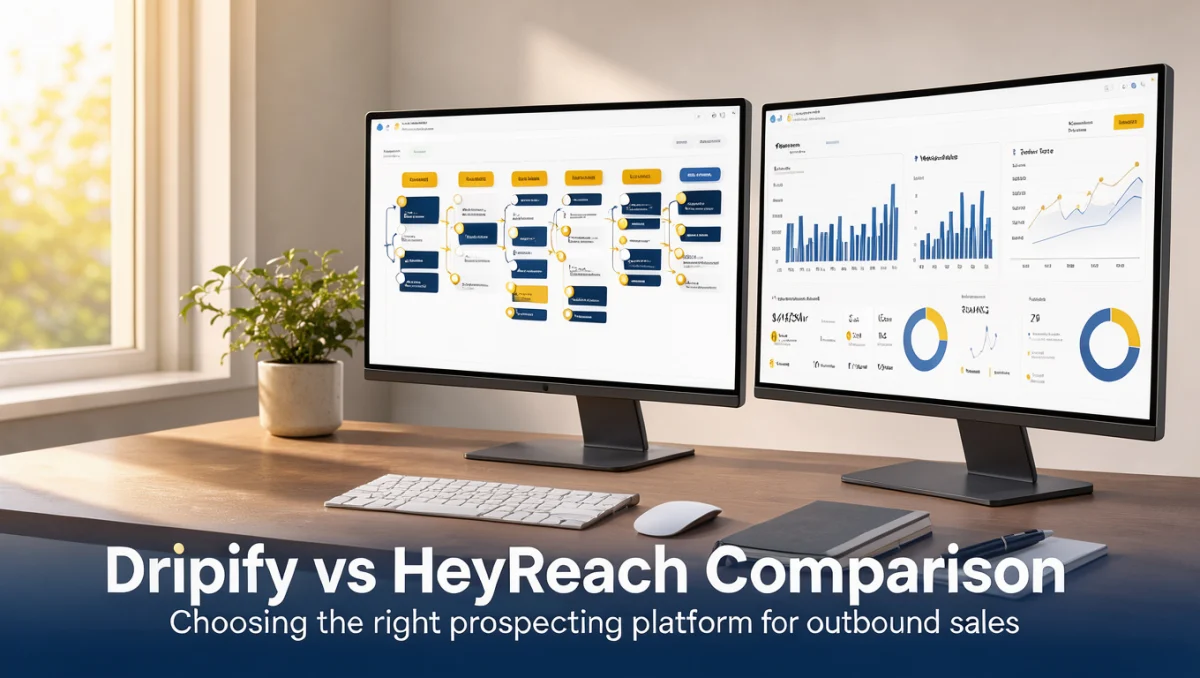
Picking between Dripify and HeyReach means choosing between two different ideas about automated outreach. One is built around sequence design for a single profile, the other around running campaigns across many connected accounts at once. Shoppers who come to our site usually want to know which setup fits their team size and outreach volume.
The right answer depends on whether you need a simple, personal prospecting workflow or a central hub that coordinates several client and sender accounts. Each tool offers real strengths depending on how your business is organized and what your outbound goals look like.
Quick verdict: we score this matchup 7.8 out of 10. Dripify suits solo consultants who want structured personal sequences, while HeyReach is aimed at agencies and multi-sender teams running complex campaigns across many inboxes. Neither is a good match for companies that want one suite handling phone, email and postal outreach together.
| Evaluation Factor | Details |
|---|---|
| topappsreviews score | 7.8 / 10 |
| Best for | Agencies and solo prospectors matching outreach workflows to their sender volume |
| Not ideal for | Teams looking for an all-in-one telephony and postal enterprise suite |
| Key strengths | Automated sequence coordination, prospecting workflow design, campaign management |
| What to check before buying | Confirm seat counts, sender limits and integration details on each official product page |
1. How We Reviewed Dripify and HeyReach
We looked at what each tool is designed to do, who it serves and how it stacks up against similar products. Our review uses seven criteria: features, ease of use, pricing and value, integrations, audience fit, support and competitive position. Plans, prices and limits change often, so we point out what to double-check on the official website before purchasing. This article was researched and drafted with AI assistance, then reviewed and edited by the topappsreviews Editorial Team.
2. Short Answer: Dripify vs HeyReach
In the Dripify vs HeyReach decision, the real question is whether you need individual sequence handling or distribution across multiple sender accounts. Freelancers, independent consultants and small business founders usually want a step-by-step campaign builder centered on one account's daily activity. Lead generation agencies and sales teams running several outbound profiles, by contrast, need infrastructure that brings multi-account actions under central control.
Looking at your choice through our broader Marketing platform methodology shows that neither tool removes the need for careful audience targeting and sensible connection limits. Before committing, review your team size, sender setup and internal governance requirements.
3. Positioning and Core Focus
Dripify presents itself as an automated prospecting solution for individual professionals and growing teams who want sequence-based actions with clear controls. Its focus is on building straightforward drip sequences, handling incoming interactions from one interface and showing how each sequence is progressing.
HeyReach is aimed at scale and agency needs, serving organizations that connect multiple accounts to run unified outbound campaigns. Its design emphasizes rotating profiles, spreading campaign steps across several senders and offering central oversight for teams managing varied client portfolios.
| Tool | Best for | Core Strength | Consider If |
|---|---|---|---|
| Dripify | Solo professionals, founders and smaller teams | Step-by-step visual sequence creation | You manage personal outreach or small team activity |
| HeyReach | Agencies and high-volume outbound teams | Multi-account orchestration and pooled outreach | You manage many accounts across clients or large sales teams |
4. Features and Campaign Automation

Campaign building is the core of both systems, but each one executes it differently to fit different workflows. Sequence automation platforms in this category let operators arrange connection requests, messages, waiting intervals and profile view touchpoints into logical branches.
Dripify builds campaigns on an easy-to-follow visual canvas, where conditional logic sets the next step based on how a prospect engages. Users set trigger conditions, follow-up timing and profile interactions to keep a steady personal cadence without flooding prospects.
HeyReach organizes campaigns around pools of multiple senders. A single campaign sequence can run across dozens of unified profiles, rotating actions among connected accounts to keep group volume consistent while sparing any one profile from heavy activity.
5. Ease of Use and Workflow Management
Onboarding differs a lot depending on whether a tool manages one account or coordinates a network of senders. Individual sales reps usually prefer clean interfaces that cut setup steps and let them launch a campaign right away.
Dripify has a gentle learning curve that suits solo founders and smaller operations. Its dashboard shows individual campaign performance, upcoming steps and prospect replies in an orderly layout that keeps initial training short.
HeyReach asks for more planning up front because of multi-inbox connections, profile assignment rules and shared team roles. The interface centralizes agency-level operations well, but connecting several accounts takes careful configuration before campaigns can launch.
6. Pricing Structure and Value Assessment
Subscription models for automated outbound platforms usually depend on connected sender accounts, team access levels and activity volume. Buyers should confirm current tier structures directly on each vendor's official pricing page to understand real ongoing costs.
Compare how each vendor charges for extra user seats, additional connected accounts and platform administration. With outreach software, managing multiple profiles can multiply baseline expenses, so confirm whether fees scale per account or per workspace. That detail is essential for accurate budgeting.
7. Integrations and Technical Fit
Integration capabilities determine how smoothly outbound tools connect with wider customer relationship management platforms and data enrichment stacks. Lead generation systems typically rely on native webhooks, direct platform connectors or third-party automation tools to move pipeline records.
Before buying, confirm that the tool integrates with your specific customer database by checking official product directories. Verify synchronization fields, update triggers and data export options so prospect replies reach account managers without manual record duplication.
8. Target Audience and Team Suitability
Audience fit is the main practical difference between these two products. The right choice depends on your organization's identity, daily sender volume and operating structure.
- Freelancers and Solo Consultants: Individual operators who source their own prospects will find Dripify simple for steady personal pipeline building without multi-sender complexity.
- Small and Midsize Businesses: Internal sales teams that run one outbound seat per representative can use Dripify for dedicated personal prospecting.
- Lead Generation Agencies: Service providers running outbound campaigns for a range of clients gain real leverage from HeyReach and its multi-account rotation.
- Large Outbound Sales Teams: Organizations with extensive sales development teams sharing sender networks benefit from the centralized account distribution in HeyReach.
9. Support and Vendor Reliability
Support channels, operational guides and response times matter a great deal when you deploy automated communication software. Outreach depends on consistent uptime to keep prospecting moving, so teams need dependable help when questions come up.
Check each platform's official support documentation, ticket terms and onboarding resources. Comparing the available guidance helps your organization make sure it gets enough troubleshooting help during important outbound pushes.
10. Competitive Position in the Outreach Category
Both products sit in the outbound automation market next to established competitors such as Expandi and Waalaxy. Alternatives take varied approaches to multi-channel contact, while Dripify stays anchored in personal sequence clarity and HeyReach has built its identity around multi-sender capacity.
Understanding this positioning helps purchasing committees tell apart tools meant for individual pipeline development from platforms designed to scale sender volume across complex organizations.
11. How to Decide Between Dripify and HeyReach
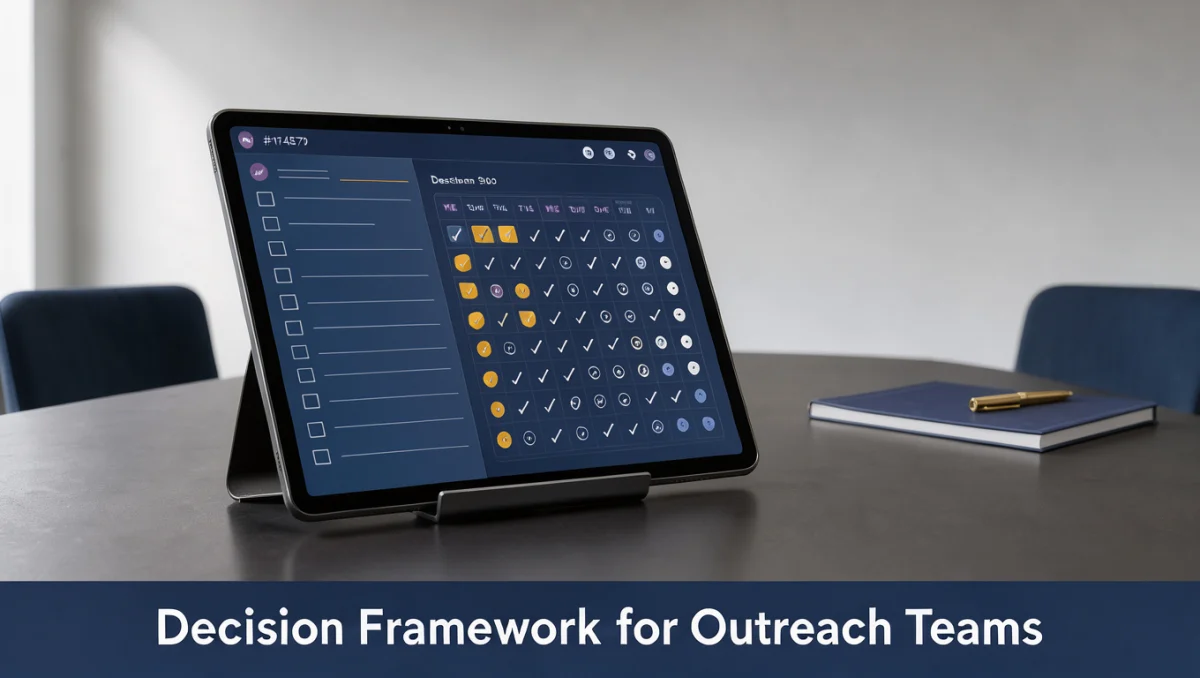
A final decision comes down to team composition, client responsibilities and campaign structure. Work through these steps to find the best fit:
- Count your active sender accounts to see whether multi-profile rotation is a real need now or unnecessary overhead.
- Assess your team's capacity to manage campaigns, remembering that single-account setups take less administration than distributed sender networks.
- Check that the tool works with your existing customer relationship databases using official platform documentation.
- Calculate total team costs on official vendor pricing pages, including seat licenses, sender limits and account allocation terms.
12. Frequently Asked Questions
How should an agency choose between single-account and multi-account platforms?
Agencies running campaigns across many client profiles should prioritize centralized platforms built for multi-sender rotation. Managing dozens of single-account setups one by one adds operational overhead, while pooled sender architectures let teams run distributed actions from a consolidated dashboard.
What should teams budget for beyond the core subscription?
Plan for supporting tools such as prospect data verification services, dedicated data enrichment products and relationship management connectors. Factoring in the cost of extra team seats or added sender profiles helps avoid surprise cost increases as campaigns grow.
How does team size influence tool selection in outbound automation?
Solo entrepreneurs and small sales teams often do well with simpler sequence platforms focused on individual prospect tracking. Larger teams and service agencies need administrative role permissions, team activity oversight and distributed profile coordination to prevent overlapping outbound touchpoints.
Where can buyers confirm technical account connection requirements?
Visit each platform's official website and knowledge base to review recommended connection methods and administrative setup instructions. Technical requirements can vary with your operating environment and network management policies.
13. Final Verdict
| Criterion | Score /10 | Reason |
|---|---|---|
| Features | 8.2 / 10 | Strong campaign sequence logic and automation options across varied outreach scenarios |
| Ease of Use | 8.5 / 10 | Approachable interface with clear paths for building campaigns |
| Pricing and Value | 7.2 / 10 | Seat fees and account expansion costs need careful checking against your budget |
| Integrations | 7.0 / 10 | Standard connectors are adequate, but confirm them against your internal database needs |
| Audience Fit | 8.4 / 10 | Clear alignment between individual prospectors and scaled agency setups |
| Support | 7.1 / 10 | Standard self-serve documentation and ticket resources that buyers should verify |
| Competitive Position | 8.0 / 10 | Clear market distinction between personal sequence tools and multi-inbox platforms |
Overall topappsreviews score: 7.8 / 10. Solo operators, independent recruiters and founders should lean toward Dripify for intuitive personal workflows. Growth agencies and multi-rep outbound teams that need unified account rotation should choose HeyReach to coordinate campaigns across distributed profiles.
Have questions about choosing software or want to share your feedback? Visit our contact page or follow Top Apps Reviews on LinkedIn.