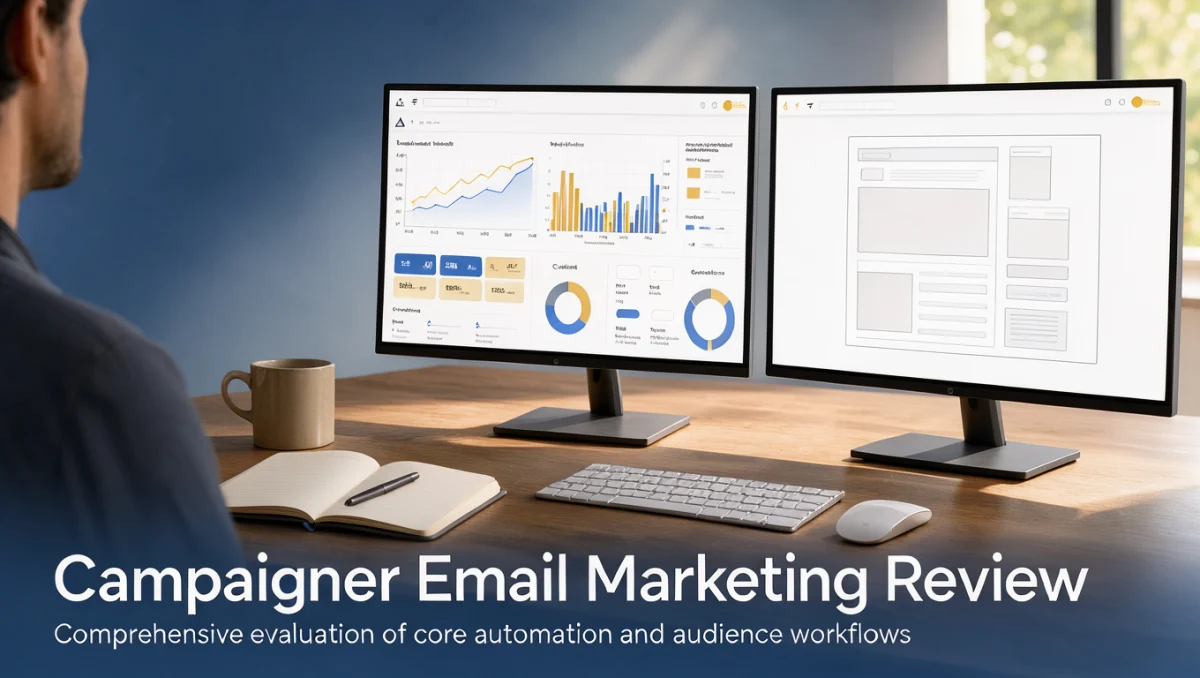
Campaigner's latest email marketing capabilities are worth a closer look for teams that send messages to large, varied subscriber databases. Before committing to any email service provider, buyers need a clear method for judging how well it handles list management, message creation and performance tracking. This evaluation, prepared by Top Apps Reviews, walks through those core areas and points out the plan details you should confirm on the official vendor site.
Automation and multi-channel tools can look impressive in marketing copy, so the real question is whether they fit your daily workflow. Whether your priority is automated follow-ups, cleaner contact segmentation or consistent template design, judging the software by how it performs in practice gives you a more reliable picture of value. The sections below cover functionality, trade-offs and the checkpoints that matter most.
Quick verdict
We give Campaigner's email marketing features an overall score of 7.6/10. Its contact segmentation and workflow automation are solid, but the interface takes some training to master. It suits structured marketing teams that run regular, coordinated broadcasts. Solo users who only send occasional newsletters may find simpler builders easier to live with.
| Metric | Summary |
|---|---|
| topappsreviews score | 7.6/10 |
| Best for | Marketing teams managing structured subscriber databases and multi-stage broadcast sequences. |
| Not ideal for | Occasional senders who only publish infrequent announcements or simple text updates. |
| Key strengths | Contact list organization, multi-condition campaign dispatch, visual template creation and detailed broadcast reporting. |
| What to check before buying | Confirm current package thresholds, subscriber storage tiers and add-on channels directly on the official Campaigner website. |
1. How topappsreviews Reviewed Campaigner
This review covers what Campaigner is built to do, who it serves and how it compares with similar tools. We assessed it against seven topappsreviews criteria: features, ease of use, pricing and value, integrations, audience fit, support and competitive position. Plans, prices and limits change frequently, so we flag the points you should verify on the official website before buying. The article was researched and drafted with AI assistance, then reviewed and edited by the topappsreviews Editorial Team.
2. What is Campaigner and who is it for?
Campaigner is an email marketing platform that helps businesses build, send and analyze commercial emails for subscriber lists. It offers centralized audience management, structured template creation and automated distribution rules, so organizations can stay in regular contact with prospects, active customers and corporate partners.
The platform is aimed mainly at commercial enterprises, agencies and dedicated marketing departments that need structured list handling rather than ad hoc correspondence. Teams with varied customer journeys use tools in this category to group contacts by engagement history, past purchases or demographic attributes, which keeps messages relevant to each recipient group.
Teams moving away from basic inbox clients gain standardized formatting, unsubscribe compliance and consistent delivery oversight by adopting a dedicated email platform. Understanding these baseline responsibilities helps you judge whether a feature-rich dispatch engine matches your team's capacity.
3. Core features of Campaigner
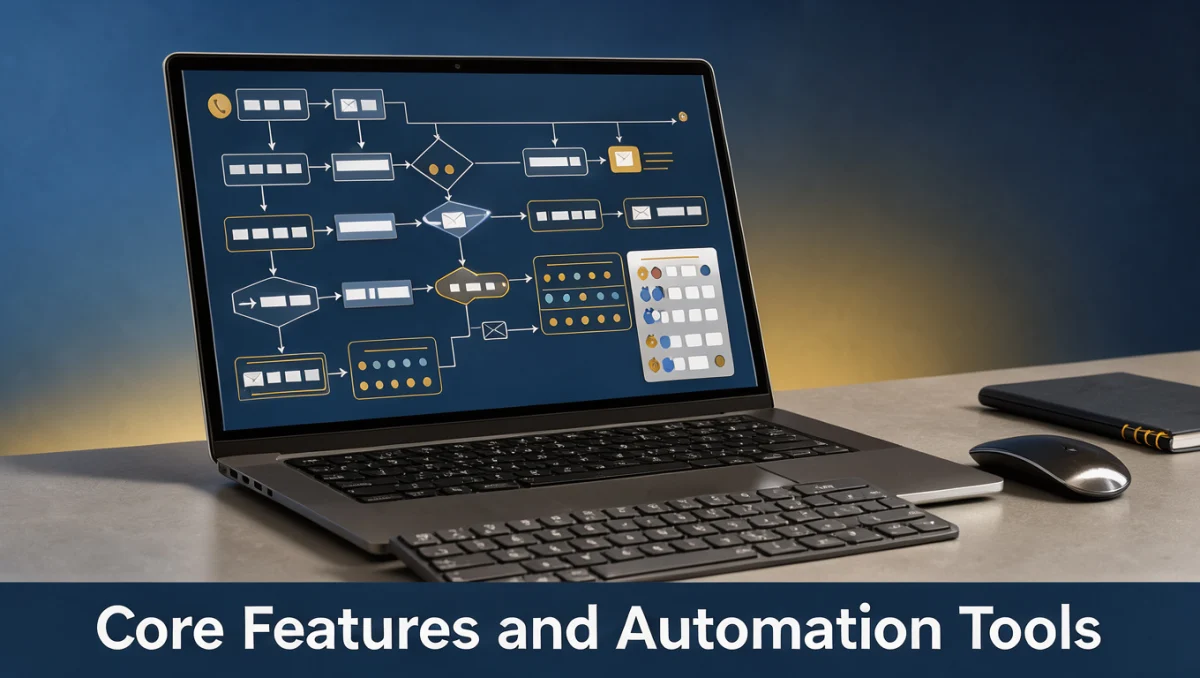
Evaluating Campaigner's email marketing features means looking at the functional groups that define enterprise-grade email systems. Rather than focusing on short-term promotional updates, buyers should test how the core software handles everyday list management, message composition, triggered sequences and performance analytics.
3.1. Contact list management and subscriber segmentation
Contact management is the backbone of any email service provider. It lets teams store, categorize and maintain subscriber records over long periods. Campaigner lets marketers organize contacts into distinct lists, define custom recipient fields and apply filters based on subscriber attributes or interaction history.
Segmentation tools let operators isolate engaged subscribers, separate prospects from existing customers and suppress inactive addresses to protect recipient interest. Clean database organization has a direct effect on broadcast results, so solid filtering is essential for systematic marketing.
3.2. Email campaign builder and responsive template design
Message creation centers on visual design environments where users assemble layouts, insert text blocks, add promotional images and format call-to-action buttons. These tools produce mobile-responsive layouts without hand-coding each message.
Alongside visual assembly, email marketing software often offers source-code editing for technical teams that need precise brand styling and strict layout control. Reviewing the template workflow helps organizations confirm that both non-technical creators and developers can produce on-brand messages efficiently.
3.3. Automated workflows and triggered messaging
Marketing automation lets teams schedule messages based on subscriber actions, time intervals or database field updates. Campaigner includes automation tools that trigger welcome messages, sequential nurture tracks and re-engagement notices when contacts meet predefined criteria.
Multi-step branching logic lets businesses send relevant follow-ups depending on whether a recipient opened a previous message or clicked a link. Automated sequences remove repetitive manual sending while keeping touchpoints consistent across longer sales cycles.
3.4. Campaign reporting and performance tracking
Tracking results is essential for judging audience response and refining subject lines or formats. Campaigner tracks standard delivery metrics, including sends, opens, click distribution, bounce categories and opt-out requests.
Comparative analytics let operators measure individual broadcasts against historical baselines and spot patterns that work. These aggregate figures guide editorial decisions, helping senders identify the best days to send and the themes that resonate over time.
4. Ease of use and learning curve
Campaigner's day-to-day experience reflects its focus on structured list management and multi-branch automation. Basic newsletter creation is straightforward once templates are set up, but configuring multi-stage branching rules and complex demographic segments takes dedicated training and disciplined process.
Teams adopting the platform should plan for an onboarding period covering contact imports, custom field mapping and verification setup. Organizations with experienced digital marketers will find the menu structure manageable, while newer creators may struggle at first with advanced query builders.
To speed adoption, document standard procedures for list hygiene, template approval and test sends before opening production access to the wider team.
5. Pros and cons of Campaigner
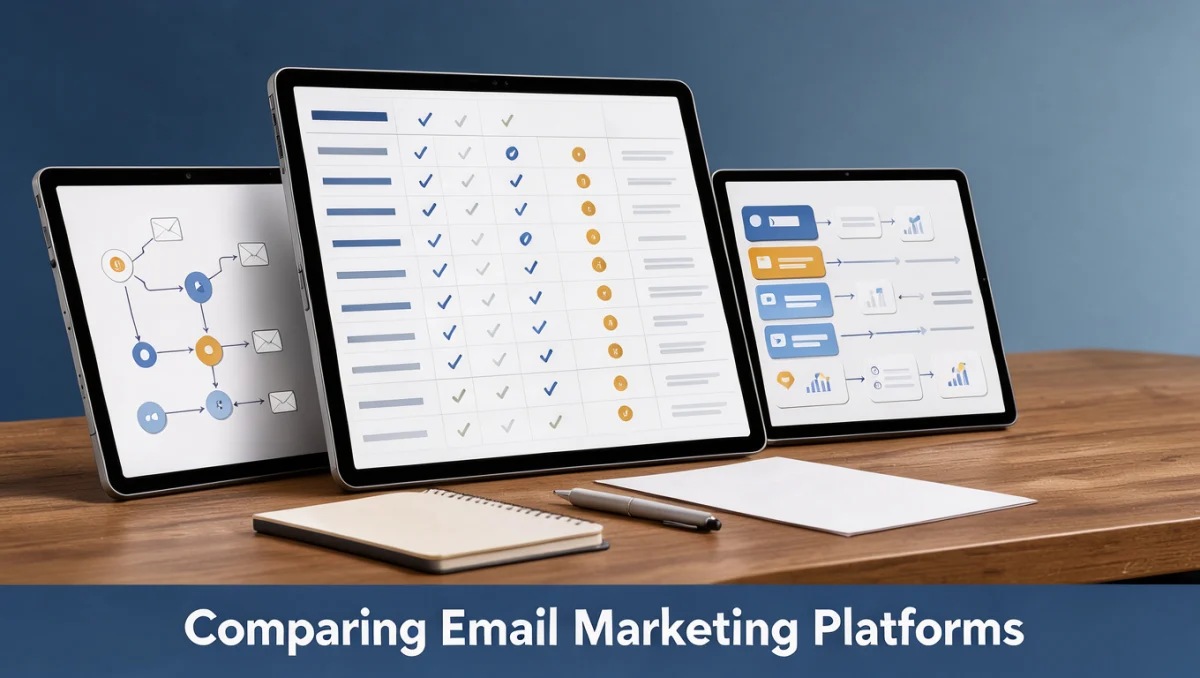
Weighing practical strengths against limitations gives marketing leaders an honest basis for choosing software.
5.1. Operational strengths
- Structured segmentation tools for detailed contact sorting using custom data fields and interaction history.
- Multi-path automation builders that handle staged customer onboarding and nurture sequences.
- Reporting dashboards covering delivery rates, click engagement and bounce categories.
- Design environments supporting both visual template assembly and custom markup editing.
5.2. Operational considerations and workarounds
- Steeper onboarding for non-technical users than lightweight newsletter tools. Standardized campaign templates can soften this.
- Advanced query building requires careful database planning. Agree on consistent field naming conventions before importing contacts.
- Extensive administrative settings call for documented permission rules to prevent accidental sends.
6. Campaigner vs similar email marketing tools
Comparing Campaigner with established peers shows where it sits within the marketing technology landscape.
| Platform | Target Audience | Primary Positioning | Key Operational Focus |
|---|---|---|---|
| Campaigner | Growing mid-market teams and agencies | Advanced contact segmentation and systematic workflow automation | Complex subscriber logic and structured automated sequences |
| Mailchimp | Small business owners and generalist teams | Broad marketing hub with multi-channel publishing tools | Accessible template design and all-in-one promotional utilities |
| Constant Contact | Local businesses and community organizations | User-friendly event promotion and newsletter communication | Simple drag-and-drop creation with guided list building |
| ActiveCampaign | Sales-aligned organizations and digital marketers | Deep customer experience automation and behavioral messaging | Granular lifecycle automation and cross-channel tracking |
Mailchimp targets small businesses that want an intuitive design environment and multi-channel marketing tools. Constant Contact focuses on simple layouts for community groups and local merchants who value fast sending over complex database queries.
ActiveCampaign emphasizes sophisticated behavioral branching for businesses running customer journeys across sales pipelines and marketing funnels. Campaigner sits between basic newsletter tools and large marketing suites, with its main strength in high-capacity email automation and segmentation.
7. Who should use Campaigner?
Suitability depends on team skills, sending volume and campaign frequency.
7.1. Freelance marketing consultants
Freelancers running email for several clients benefit from clean contact separation and repeatable sequence building. Consultants handling simple announcement lists for local clients may prefer lighter tools with less setup overhead.
7.2. Small business owners
Small retail or B2B operators can use automated follow-ups to nurture leads consistently. A business that only sends quarterly service updates will usually get better value from a simpler broadcast tool.
7.3. Dedicated digital marketers
Digital marketing specialists gain significant value from granular filters, scheduled trigger sequences and post-campaign data exports. These let professionals test content variations and improve retention across demographic groups.
7.4. Corporate communications personnel
Internal communications teams sending employee notices or partner bulletins need dependable segmentation to reach the right audiences. If complex sales automation isn't needed, simpler publishing platforms may be enough.
7.5. Educational coordinators and students
University departments and student groups running campus newsletters often find complex automation suites more than they need. Lighter newsletter software is usually the better fit for straightforward institutional bulletins.
8. How to choose the right plan for your business
Vendors frequently revise plan limits, feature allocations and pricing, so check the specifics on the vendor site before signing up.
| What to check on official pricing pages | Why it matters |
|---|---|
| Subscriber database caps | Email platform costs commonly scale with contact count, so rapid list growth can raise monthly expenses. |
| Monthly dispatch volume limits | Some tiers cap sending volume per billing cycle, which affects teams that test frequently. |
| Automation workflow access | Vendors often reserve multi-stage branching or complex behavioral triggers for higher tiers. |
| Multi-user administrative seats | Collaborative teams need individual logins and permission controls, which entry-level plans may limit. |
| Additional messaging channels | Add-on channels such as text messaging usually carry separate usage fees. |
9. Frequently asked questions
9.1. What should marketing teams check before migrating an existing subscriber list?
Check database cleanliness, custom field structures and opt-in consent records before importing contacts. Confirm that unsubscribe histories and bounce records transfer accurately to avoid delivery problems and protect your sending reputation.
9.2. What signals that a business needs advanced marketing automation?
Advanced automation becomes worthwhile when customer journeys involve staged onboarding, behavioral re-engagement triggers or separate content tracks by purchase category. Companies sending uniform weekly bulletins rarely need complex branching.
9.3. What should buyers check about multi-user access permissions?
Confirm on the official pricing page whether your target tier supports role-based permissions such as editor, viewer or administrator. Role restrictions prevent unauthorized list exports and ensure drafts are reviewed before sending.
9.4. What extra costs should businesses expect beyond the base subscription?
Budget for list verification services, graphic asset licensing, custom template coding and supplementary credits such as SMS. Accounting for these extras gives a more accurate total cost.
9.5. Should businesses consult a deliverability specialist before launching high-volume campaigns?
Organizations moving large subscriber databases benefit from deliverability guidance to set up domain authentication correctly. Proper domain verification and a gradual ramp-up in sending volume protect your sender reputation from early filtering.
10. Final verdict
Campaigner offers a capable, business-focused environment for organizations that prioritize disciplined list management and structured sequence automation over simple newsletter templates. Its administrative depth creates a learning curve, but marketing teams willing to invest in structured segmentation will find its campaign tools well aligned with commercial goals.
| Criterion | Score /10 | Reason |
|---|---|---|
| Features | 8.0/10 | Comprehensive contact segmentation, multi-stage automation logic and full broadcast reporting. |
| Ease of Use | 7.2/10 | Requires dedicated onboarding and familiarity to configure advanced branching and database queries. |
| Pricing and Value | 7.5/10 | Verify current contact tiers and sending allowances on the official website to confirm cost fit. |
| Integrations | 7.4/10 | Check the official application directory to confirm the CRM and ecommerce connections you need. |
| Audience Fit | 8.1/10 | Well suited to structured marketing departments and agencies running data-driven nurture campaigns. |
| Support | 7.3/10 | Check available support channels and service hours in the official vendor documentation. |
| Competitive Position | 7.7/10 | Holds a solid mid-market position against broader marketing suites by focusing on dedicated email workflows. |
Overall score: 7.6/10
For structured marketing departments that want disciplined contact filtering and reliable automated sequences, Campaigner is a dependable platform. Organizations with modest sending needs should compare simpler alternatives to avoid paying for administrative complexity they won't use.
Readers with questions about choosing email marketing software can reach our editorial team through the topappsreviews contact page or follow topappsreviews on LinkedIn.