topappsreviews may earn a commission when you buy through links on this page, at no extra cost to you. This does not affect our ratings.
Picking a supplier for authentic product identification numbers is a decision most merchandise makers face early on. The right choice keeps your UPC and EAN codes working at checkout, in fulfillment warehouses and inside retailer databases without costly delays. At Top Apps Reviews, our software and business evaluations help founders pick dependable tools suited to their operations.
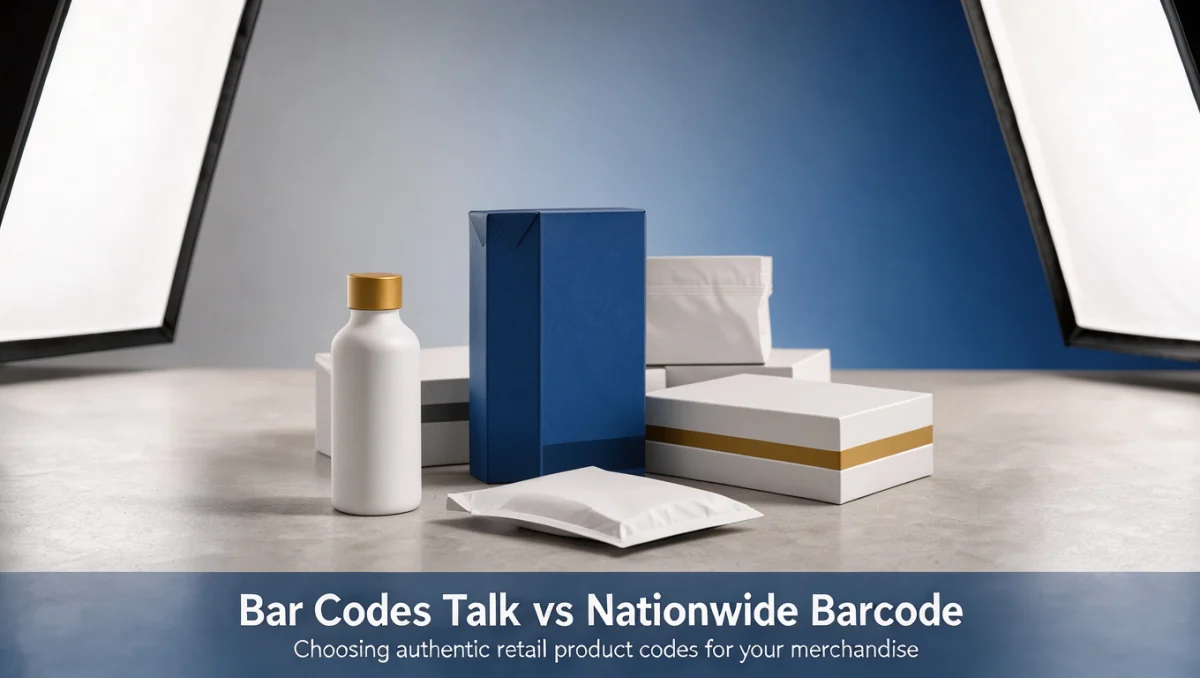
Both platforms act as third-party sources for standard retail product identifiers, centering on UPC and EAN formats. The better fit depends on whether you need graphic packaging help, digital asset delivery, or assurance that your codes meet specific checkout requirements for physical and online stores.
Quick verdict: In our review of bar codes talk vs nationwide barcode, the overall rating reaches 7.6 out of ten. It suits small businesses, physical product creators and independent suppliers who want upfront identification numbers without recurring membership fees. It is less suitable for large conglomerates that require direct global manufacturer licensing.
| Metric | Details |
|---|---|
| topappsreviews score | 7.6 / 10 |
| Best for | Emerging merchants seeking direct purchase identification numbers |
| Not ideal for | Enterprises requiring direct primary registrar accounts |
| Key strengths | Product barcode generation, digital graphic packages, retail identification |
| What to check before buying | Retailer acceptance policies, packaging format options, ownership transfer documentation |
1. How topappsreviews Reviewed Bar Codes Talk vs Nationwide Barcode
We assessed what each service is built to deliver, who it serves, and how it stacks up against similar options, using our seven criteria: features, ease of use, pricing and value, integrations, audience fit, support and competitive position. Plans and prices change often, so confirm current details on each official website before buying. This article was researched and drafted with AI assistance, then reviewed and edited by the topappsreviews Editorial Team.
2. Short Answer on Barcode Selection
For independent brands weighing these two services, the key difference comes down to checkout acceptance verification and packaging support. Both suppliers provide genuine UPC and EAN sequences that originated before the historical licensing restructuring, letting businesses obtain numbers without annual dues.
Check retail partner requirements before ordering. Some major department stores and large distribution networks require proof of direct company listing under a primary registry prefix, while independent boutiques, regional grocers and general web platforms readily accept secondary market identifiers.
3. Positioning Comparison
Comparing vendor strengths helps catalog managers align identifier purchases with their distribution plans. Both providers address core inventory tagging needs through distinct customer workflows.
| Provider | Best for | Core strength | Consider if |
|---|---|---|---|
| Bar Codes Talk | Merchants wanting automated asset generation and vector files | Fast graphic generation and broad format options | You require print-ready vector barcodes for commercial package design |
| Nationwide Barcode | Suppliers needing standard retail identification with straightforward checkout setup | Direct UPC assignment with ownership assignment proof | You want clear transfer documentation for retail partner reviews |
4. Features and Asset Delivery
Barcode vendors mainly supply standard numerical sequences along with high-resolution graphic files. Core capabilities include generating universal product codes and European article numbers, plus matching vector EPS, SVG or high-resolution raster files for designers.
When reviewing asset packages, confirm on the official vendor websites which digital formats come with each order. Package designers need clean vector rendering to keep codes scannable on varied label materials, curved bottles and corrugated shipping cartons.
5. Ease of Use and Purchase Flow
The ordering process for barcode acquisition is generally simple on third-party marketplaces. Buyers choose the number of unique identifiers they need, enter contact details, and receive assignment paperwork along with graphic download archives.
Account dashboards let team members re-download graphics or review assigned number blocks. Businesses should check whether dashboards allow adding product descriptions or SKU labels for internal tracking.
6. Pricing and Value Assessment
Third-party barcode vendors usually run on a one-time transaction model rather than ongoing subscriptions. In this sector, pricing depends heavily on order volume, since buying larger blocks lowers the cost per code.
Confirm current rates and bundle discounts on the official Bar Codes Talk and Nationwide Barcode websites. Also check whether certificate generation, vector graphic downloads or future assignment lookups carry administrative fees.
7. Integrations and Ecosystem Fit
Barcode sequences do not function as standalone software with direct application programming interfaces. Instead, they plug into point-of-sale hardware, enterprise resource planning databases and ecommerce listing dashboards as numeric strings.
Make sure the generated graphic files import cleanly into your desktop publishing or label printing software. Teams should confirm on the official websites that the digital assets meet the scannability dimensions required by commercial barcode readers.
8. Audience Fit and Commercial Scope
These barcode services mainly benefit independent creators, book publishers, food manufacturers and boutique consumer goods makers. These businesses avoid annual prefix maintenance costs while securing legitimate retail codes.
Suppliers aiming for placement in strict multinational big-box chains should review each retailer's compliance handbook. When wholesale buyers require applicant prefix verification, direct licensing through the central standards body remains necessary.
9. Support Quality and Service Policies
Buying identification codes involves understanding regulations and packaging compliance. Reliable Customer Service helps first-time entrepreneurs pick the right code variants for individual items versus master shipping cartons.
Review each provider's official support portal to understand response channels and documentation depth. A responsive knowledge base resolves scanner verification questions or retailer documentation audits without delay.
10. Competitive Position Across the Industry
Both Bar Codes Talk and Nationwide Barcode hold a distinct place in the product identification sector. They supply legitimate secondary assignments drawn from pre-agreement inventory blocks, offering an accessible alternative to formal organizational membership.
Compared with smaller resellers, these platforms keep consistent operating histories and formal transfer records. Evaluating both options helps your brand choose a partner able to provide verifiable chain-of-custody documentation whenever retail buyers inspect packaging authenticity.
11. How to Decide Between Providers
Choosing the right provider starts with auditing your distribution channels and packaging timelines. A systematic evaluation protects brand equity and prevents costly packaging reprints.
- Survey all current and prospective retail partners about their numeric prefix validation policies.
- Determine the digital graphic formats your packaging team needs.
- Count the distinct product variants, including sizes and flavors, that each need a unique code.
- Confirm certificate ownership and assignment guarantees on the official websites.
- Review delivery turnarounds on official checkout pages if packaging production faces immediate deadlines.
12. Frequently Asked Questions
What factors determine barcode compatibility with major store systems?
Retailer acceptance depends on each company's vendor guidelines rather than scanning physics. Standard optical scanners read all compliant universal product codes regardless of seller. However, some retail chains require the manufacturer prefix to match the brand name in centralized registry databases, so verifying this before placement is essential.
How should brands calculate the total quantity of codes needed?
Every unique stock keeping unit requires its own identifier to keep inventory accurate. Differences in package weight, color, style or formulation call for distinct codes. Businesses planning multiple product lines should map their full SKU list before purchasing to capture block-rate savings.
What graphic file formats are necessary for physical package printing?
Professional packaging printers generally require vector artwork such as EPS or PDF to keep edges crisp at any scale. Low-resolution raster images can blur during high-speed offset printing, which risks checkout scanner read failures.
Why do prefix ownership verification checks matter to wholesale buyers?
Certain wholesale distributors review registry ownership records to confirm brand legitimacy and block counterfeit inventory from their supply chains. Asking retail compliance managers about prefix requirements ensures your codes align with vendor agreements before production begins.
13. Final Verdict
Choosing between Bar Codes Talk and Nationwide Barcode depends on your distribution plan and asset needs. Both platforms offer legitimate secondary market numbers that let emerging brands avoid annual registration fees.
| Criterion | Score /10 | Reason |
|---|---|---|
| Features | 7.5 | Reliable numerical generation and vector graphics for packaging |
| Ease of Use | 8.5 | Clear order interfaces and prompt asset generation workflows |
| Pricing and Value | 7.0 | Straightforward one-time purchase models; confirm volume tiers directly |
| Integrations | 7.0 | Standard graphic formats align with desktop design and POS databases |
| Audience Fit | 8.5 | Practical fit for independent consumer packaged goods and web merchants |
| Support | 7.0 | Educational documentation covers common retail acceptance scenarios |
| Competitive Position | 7.5 | Established secondary providers delivering authentic pre-agreement assignments |
Overall score: 7.6 / 10
For independent manufacturers, boutique creators and regional suppliers, both services offer practical inventory identification tools. Corporate brands preparing for placement in strict international department store chains should review retailer standards manuals before ordering.
Readers with more software selection questions can reach our team through Top Apps Reviews, or explore our Customer Service guides for ongoing operational advice.