Some links on this page may be affiliate links, and topappsreviews may earn a commission at no extra cost to you. Commissions never influence our ratings.
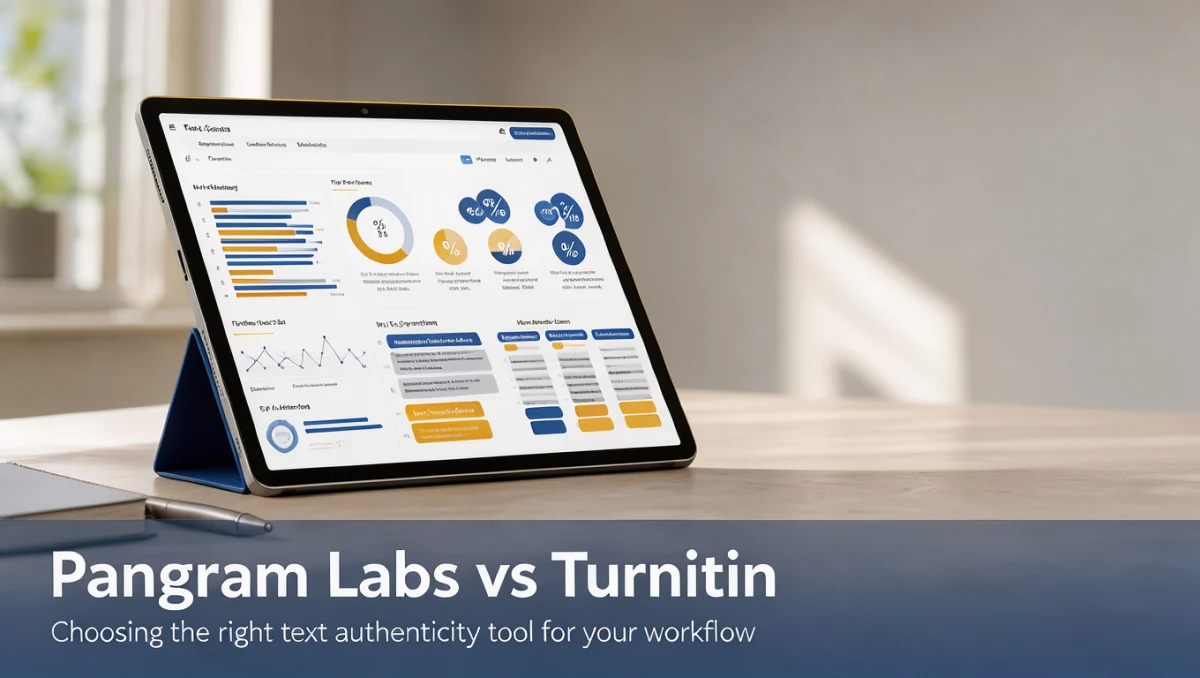
Choosing between pangram labs vs turnitin is a real decision for institutions and companies checking text authenticity in 2026. Many buyers check Top Apps Reviews first to work out whether a dedicated synthetic text detector or a mature academic review platform better suits their policies and budget.
Knowing how each product screens documents helps educators, publishers and enterprise teams set up sensible integrity checks without wasting money on the wrong tool.
Quick verdict: Overall score 7.9/10. Pangram Labs is geared toward teams that mainly need to screen digital text for machine-generated patterns across web and editorial pipelines. Turnitin is geared toward schools that need student submission handling alongside similarity indexing. Neither removes the need for human editorial judgment.
| Metric | Summary |
|---|---|
| topappsreviews score | 7.9/10 |
| Best for | Organizations running academic submissions or publishers screening editorial text |
| Not ideal for | Teams expecting fully automated yes-or-no decisions with no manual checks |
| Key strengths | Focused text integrity checks and established institutional workflow support |
| What to check before buying | Confirm user tiers, submission limits and admin setup terms on the official vendor pages |
1. How topappsreviews Reviewed Pangram Labs vs Turnitin
This review covers what each tool is built to do, who it serves and how it compares with similar products. We assessed seven criteria: features, ease of use, pricing and value, integrations, audience fit, support and competitive position. Plans, prices and limits change often, so we point out what to verify on each official website before purchase. This article was researched and drafted with AI assistance, then reviewed and edited by the topappsreviews Editorial Team.
2. Short Answer: Choosing Between Pangram Labs and Turnitin
Pangram Labs concentrates on identifying machine-generated text and suits teams that prioritise scanning written material for synthetic language patterns. Turnitin serves educational settings where assignment intake, grading and large text-similarity databases underpin academic policy enforcement.
Your choice depends on whether your workflow centres on broad editorial text validation or on traditional classroom submission cycles. Decision-makers weighing pangram labs vs turnitin should consider how their staff will handle disputed flags before signing an annual contract.
3. Core Positioning and High-Level Comparison
Comparing these platforms means looking at their operational design and intended context.
| Tool | Best for | Core strength | Consider if |
|---|---|---|---|
| Pangram Labs | Enterprise content teams and digital publishers | Focus on synthetic text detection and statistical language analysis | Your main goal is checking digital copy outside traditional classrooms |
| Turnitin | Schools, colleges and university departments | Comprehensive academic similarity indexing and assignment management workflows | Your main goal is monitoring student coursework against institutional archives |
4. Features and Core Capabilities
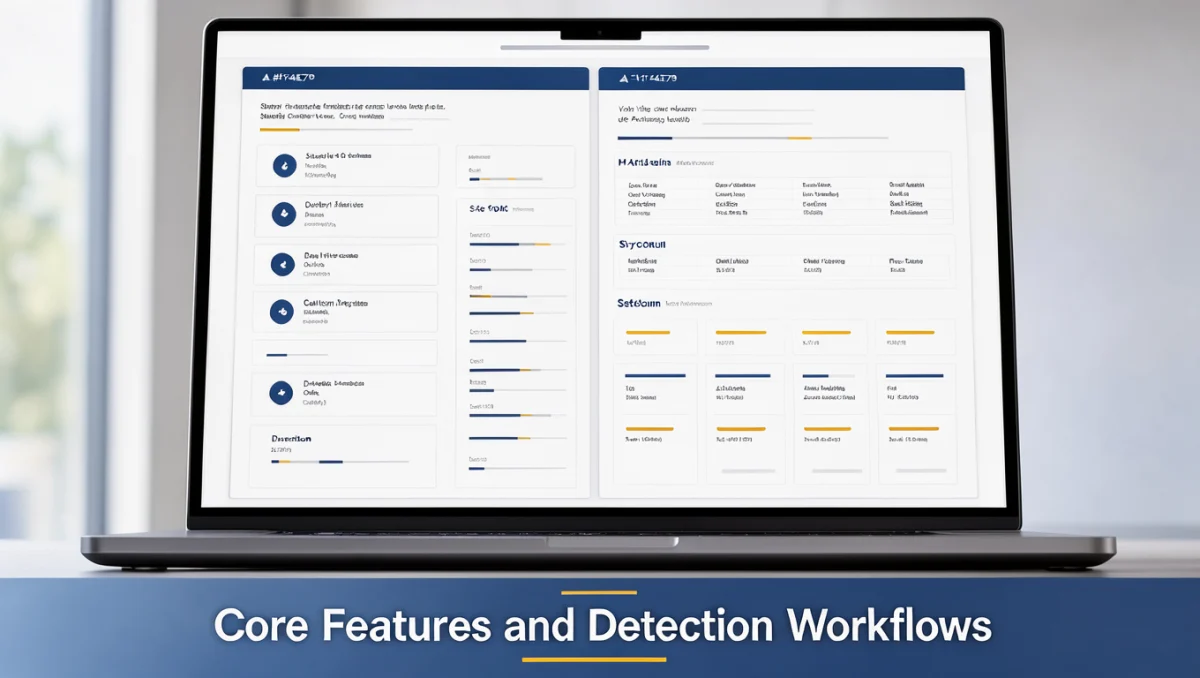
Integrity platforms approach text analysis from different angles, depending on their origins.
Synthetic Text Identification
Pangram Labs focuses its analysis on statistical indicators within written passages to detect machine generation. Organisations adopting tools in the broader artificial intelligence landscape rely on specialised screening to flag automated drafting. Teams should verify on the official Pangram Labs website which file formats and submission methods the current software supports.
Similarity Matching and Academic Tracking
Turnitin checks documents against academic journals, web repositories and previous student submissions. Educational administrators benefit from visual reports that highlight verbatim phrasing alongside potential source material. Teams evaluating academic software should confirm submission handling policies directly on the official Turnitin website.
5. Ease of Use and Workflow
Onboarding varies significantly with the scope of administration required.
Administrative Setup
Pangram Labs offers a focused interface built around submitting passages and reviewing generation probability scores. Content reviewers can inspect highlighted sections without navigating complex class rosters, and they can consult internal guidelines quickly during daily screening.
Classroom Management Overhead
Turnitin includes instructor dashboards, grading modules and cohort tracking. Its learning curve reflects these administrative features, so instructors and students must learn specific submission procedures. Departments should schedule training during the initial rollout.
6. Pricing Structure and Verification
Providers in the content authenticity sector regularly adjust enterprise licensing terms.
Turnitin has traditionally licensed its technology through institutional contracts based on enrolment numbers or campus-wide agreements. Pangram Labs targets enterprise and business tiers based on usage volume. Buyers should contact each vendor directly for formal quotes based on projected submission volumes.
7. Integrations and Ecosystem Readiness
Workflow fit depends on how easily a screening tool connects to existing infrastructure.
Academic software typically prioritises connections with learning management systems. Enterprise detection software often emphasises flexible programmatic connections or portal uploads. Prospective buyers should check current integration catalogues on vendor documentation pages before purchase.
8. Audience Fit: Who Benefits Most
Matching your organisational profile to the right vendor avoids wasted budget and adoption friction.
- Academic Instructors: Turnitin aligns directly with course syllabi, learning management tools and academic honesty boards.
- Digital Publishers: Pangram Labs serves editorial desks screening freelance articles and submissions for automated drafting.
- Enterprise Compliance Teams: Organisations needing focused text verification without educational infrastructure benefit from specialised screening utilities.
- Solo Freelancers: Neither enterprise platform is primarily designed for single-operator use without a commercial subscription.
9. Customer Support and Deployment Considerations
The scale of deployment shapes the level of customer service needed at launch.
Campus-wide rollouts require dedicated technical support to configure instructor permissions and institutional archiving policies. Commercial editorial deployments focus on staff onboarding and workflow documentation. Organisations should confirm available support channels and service tiers on official vendor pages before signing contracts.
10. Competitive Position and Integrity Focus
The verification software market has distinct specialisations.
Pangram Labs positions itself as an integrity filter addressing recent developments in synthetic language generation. Turnitin has a long-standing position built on academic similarity tracking and student accountability workflows. Each vendor approaches text integrity through a different foundational lens.
11. How to Decide Between Pangram Labs and Turnitin

Follow a structured process when selecting text verification software.
- Define Primary Objectives: Decide whether your priority is detecting machine-generated content or indexing source similarity against student databases.
- Evaluate Your User Base: Determine whether end users are classroom teachers grading assignments or editorial staff reviewing drafts.
- Check Procurement Models: Review procurement processes, since enterprise vendors require customised contracts based on scale.
- Establish Review Policies: Set clear organisational standards for how staff interpret automated flags, ensuring no automated tool acts as the sole arbiter.
12. Frequently Asked Questions
What should buyers evaluate when comparing text integrity software?
Buyers should assess whether their workflow requires academic cohort tracking or straightforward text screening. Comparing file format support, administrative seat allocation and manual review interfaces on official vendor pages helps teams identify the right fit.
How should organisations handle disputed text detection results?
Organisations should always keep a human review process in place. Detection algorithms produce statistical probabilities rather than definitive proof, so secondary review by subject matter experts is essential before any disciplinary or editorial action.
What factors influence total software ownership costs?
Enterprise subscription pricing typically depends on user volume, submission frequency and onboarding requirements. Reviewing contract commitments and setup fees on official vendor websites gives the most accurate budget estimate.
Can a single tool cover all academic and editorial integrity needs?
Most organisations find that academic similarity databases and synthetic text screening address different operational concerns. Clarifying your institutional priorities will show whether a comprehensive academic platform or a specialised detection tool fits best.
13. Final Verdict and Rating Breakdown
Choosing between these two platforms comes down to institutional focus versus specialised editorial validation.
| Criterion | Score /10 | Reason |
|---|---|---|
| Features | 8.3/10 | Turnitin provides deep similarity repositories, while Pangram Labs targets synthetic text analysis. |
| Ease of Use | 7.8/10 | Specialised detection interfaces offer simple intake workflows, while academic suites require administrative setup. |
| Pricing and Value | 7.2/10 | Enterprise quotation models require direct inquiry to assess return on investment at your volume. |
| Integrations | 7.7/10 | Alignment with institutional learning platforms must be weighed against enterprise connection requirements. |
| Audience Fit | 8.5/10 | Clear separation between classroom assignment workflows and commercial editorial screening. |
| Support | 7.6/10 | Enterprise buyers should verify implementation assistance and administrative training arrangements. |
| Competitive Position | 8.2/10 | Both platforms occupy well-defined positions within modern integrity verification. |
Overall topappsreviews Score: 7.9/10
For academic institutions managing assignments and similarity records, Turnitin remains the conventional match. For publishers and commercial enterprises monitoring inbound text for automated patterns, Pangram Labs offers a targeted screening option. Confirm current licensing terms and technical specifications on each vendor's official website before deployment.
Readers with questions about software selection can contact the review team at https://topappsreviews.com/contact/ or follow topappsreviews on LinkedIn at https://www.linkedin.com/company/topappsreviews/.