topappsreviews may earn a commission when you buy through links on this page, at no extra cost to you. This does not affect our ratings.
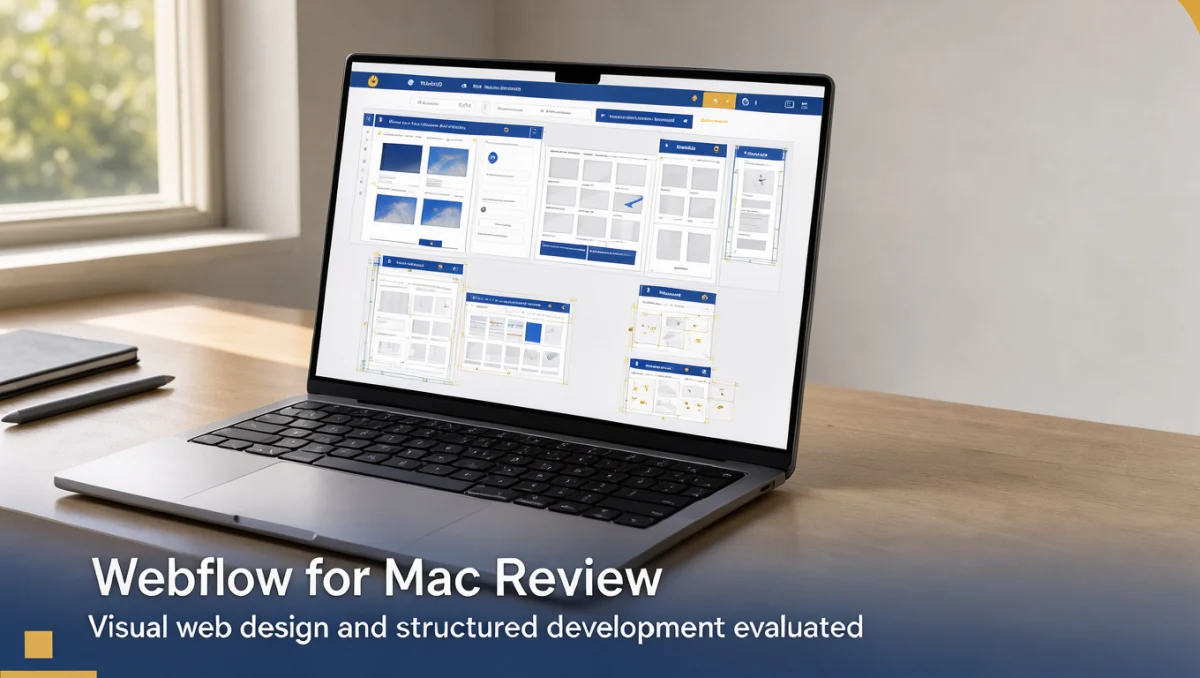
Designers who want to shape a website's layout by eye rather than hand-writing stylesheets often end up comparing webflow for mac against other builders. This guide revisits the software from the ground up, looking at how its canvas translates design decisions into clean code and where that power comes with a price in time and learning.
Creative teams today need design environments they can trust, and Top Apps Reviews offers independent analysis to show where visual tools shine and where a developer's knowledge still matters. Choosing a visual website builder means weighing freedom of design against setup effort and recurring subscription costs.
Quick verdict: With a topappsreviews score of 8.0/10, the platform suits creative professionals who want precise layout control without writing stylesheets by hand. It fits agencies building custom client sites and teams managing structured content, and it is a poorer match for casual owners who want a template running within an afternoon.
| Metric | Summary |
|---|---|
| topappsreviews score | 8.0/10 |
| Best for | Designers and digital agencies seeking fine-grained structural control over layout, styling, and client content management |
| Not ideal for | Hobbyists or basic site owners who want pre-assembled layouts without managing layout box models or style hierarchies |
| Key strengths | Visual CSS controls, structured database collections, responsive breakpoint customization, and clean asset staging |
| What to check before buying | Check official plan limits, export allowances, workspace seats, and domain connection rules on the official Webflow pricing page |
1. How topappsreviews Reviewed Webflow for Mac
This review examines what the software is built to do, who it serves, and how it stacks up against similar tools. We apply the seven topappsreviews criteria: features, ease of use, pricing and value, integrations, audience fit, support, and competitive position. Plans and prices change frequently, so we flag what to confirm on the official website before purchasing. The article was researched and drafted with AI assistance, then reviewed and edited by the topappsreviews Editorial Team.
2. What Webflow Is and Who Uses It
Webflow combines a visual web design tool, a content management system, and a publishing environment. Users arrange pages on a canvas that maps directly onto standard HTML and CSS concepts such as positioning, margins, padding, and typographic hierarchy.
Its main audience includes web designers, creative agencies, digital marketers, and in-house enterprise teams that need tight control over brand presentation. Because layout assembly and code generation happen in one place, teams can build custom sites without passing designs through a separate engineering handoff.
The platform models web architecture closely, so getting proficient means understanding core web fundamentals. Teams moving into visual site development can also look at tools in the Collaboration & Productivity category to coordinate handoffs between designers, copywriters, and content editors.
3. Core Visual Development and Site Management Features
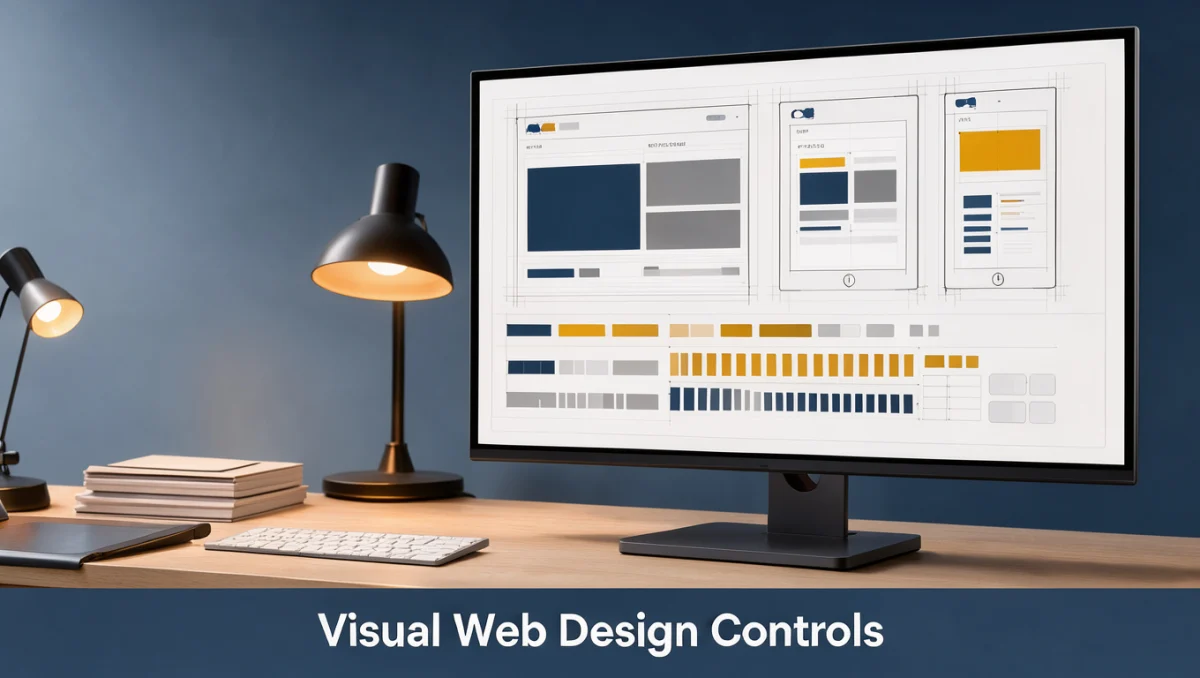
Judging a design platform means looking at how its main components support everyday production. Webflow's core toolset revolves around visual site building, structured content collections, and animated interactions.
3.1. Visual Canvas and Styling Engine
The visual designer gives you a canvas for assembling sections, containers, grids, and flexbox layouts. Styling controls mirror standard CSS properties, so you can adjust typography, backgrounds, spacing, and positioning visually while clean code is generated behind the scenes.
Custom breakpoints let you adapt styling across desktop and smaller screen widths. This approach keeps responsive changes consistent with how styles cascade through layout elements.
3.2. Structured Content Management
Structured collections let you build dynamic databases for blog posts, team directories, portfolios, or product catalogs. Designers map template page elements to collection fields, so every new record picks up consistent formatting automatically.
Separating page design from raw content lets non-technical team members draft and update copy without risking layout damage or touching the underlying page structure.
3.3. Interactions and Motion Triggers
The motion engine lets you build interactions tied to page events such as scroll position, mouse movement, clicks, and page load. You can animate opacity, scale, and transforms without writing script handlers by hand.
Before relying heavily on complex motion across commercial projects, review production performance guidelines to make sure animations run smoothly on a range of client devices.
4. Ease of Use and Learning Curve
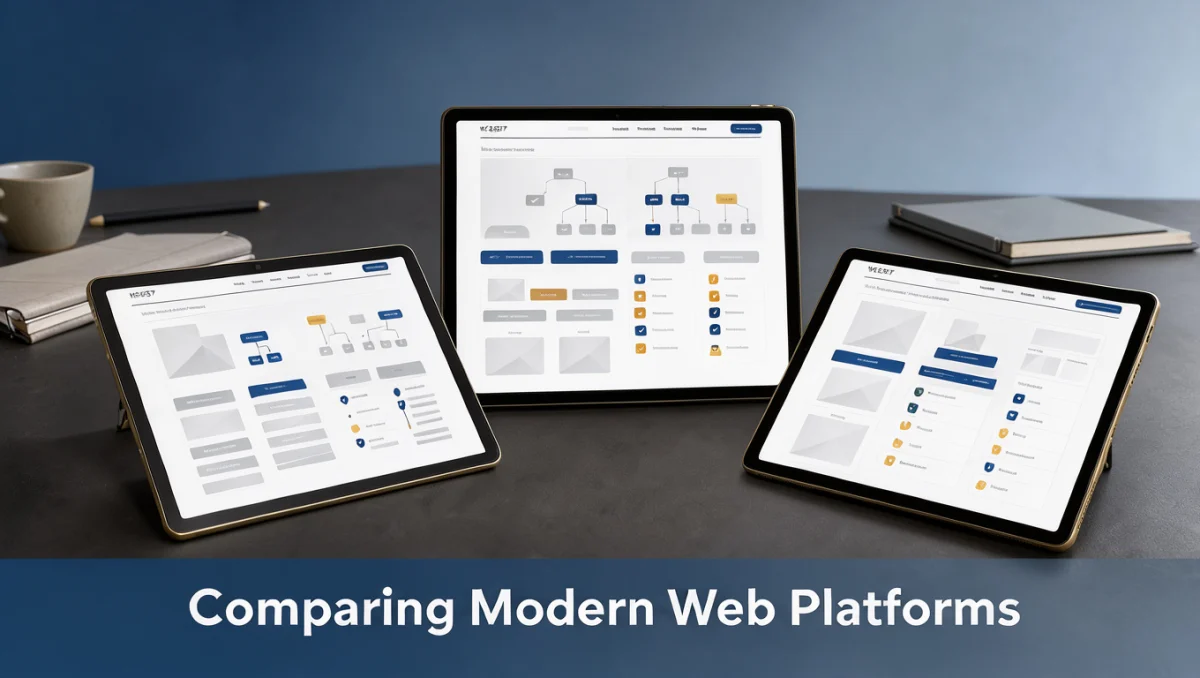
How quickly you pick up visual design software depends on your background in design systems and web architecture. Webflow mirrors box models and cascading styles, which feels natural to trained designers but presents a steep early climb for beginners.
Newcomers who expect quick drag-and-drop template swapping often get frustrated by inheritance rules, layout floats, and nested div blocks. Successful adoption takes time spent on foundational tutorials covering standard web layout hierarchy.
Organizations that adopt the platform within their design departments can speed up daily page building considerably by setting up shared component libraries and design tokens early.
5. Pros and Cons
Choosing professional creative software means weighing production flexibility against operational trade-offs and team needs.
5.1. Key Advantages
- Granular control over visual styling, layout models, and responsive design breakpoints.
- Visual translation of HTML and CSS concepts into structured, clean output.
- Dynamic content collections that separate page structure from editorial entries.
- Reusable component systems that keep styling consistent across multi-page client websites.
5.2. Practical Limitations
- Steep learning curve for creators unfamiliar with web box modeling and class inheritance.
- Setup requires careful review of separate hosting and workspace plan structures on the official website.
- Advanced custom logic often means checking third-party script compatibility or external embed configurations.
6. Webflow vs Similar Tools
Understanding where design software sits in the wider market helps buyers match their technical skills with the right platform.
| Platform | Target Audience | Primary Focus | Consider When |
|---|---|---|---|
| Webflow | Designers and creative agencies | Visual CSS layout and structured content databases | Needing bespoke, production-ready visual websites with clean code |
| WordPress | Publishers, bloggers, and enterprise teams | Open-source content management and extensible plugin ecosystems | Requiring self-hosted data ownership and extensive third-party plugin libraries |
| Squarespace | Small business owners and creatives | Curated visual templates and integrated administrative tools | Prioritizing quick setup over granular style and code customization |
| Wix | General entrepreneurs and DIY builders | Free-form drag-and-drop visual site assembly | Needing absolute visual positioning without managing structured layout models |
Compared with content management systems like WordPress, Webflow removes database maintenance and puts more weight on front-end visual construction. Against consumer builders like Squarespace and Wix, it asks for more architectural understanding in exchange for much finer layout control.
7. Who Should Use Webflow
Picking a website builder means assessing your operational profile and the maintenance resources you can sustain over time.
7.1. Recommended User Groups
- Designers and agencies: Creative studios building bespoke sites for commercial clients benefit from precise layout control and dedicated client editor modes.
- Digital marketing teams: In-house marketers who need landing pages quickly can iterate without waiting for developer sprints once global design components are in place.
- Product managers: Teams building visual prototypes and marketing hubs gain visual fidelity that matches production software standards.
7.2. When to Consider Alternative Platforms
- Solo operators wanting instant setup: Site owners who need a simple company brochure in an afternoon may find templated builders more practical.
- Large-scale content publishing networks: Editorial hubs with intricate author permissions and legacy database archives often fit open-source publishing architectures better.
8. How to Choose the Right Plan
Subscriptions for visual website builders often split costs between collaborative workspace seats and live site hosting. To estimate total spend, check current offerings on the official Webflow pricing page.
| What to check | Why it matters |
|---|---|
| Workspace seats versus site hosting | Visual platforms often price team editing permissions separately from live domain hosting, which shapes the overall team budget. |
| Content database record allowances | Dynamic content entries are subject to plan thresholds, so estimate expected database volume before launch. |
| Form submission processing limits | Sites capturing customer leads should confirm monthly submission allowances in official documentation to avoid workflow interruptions. |
| Code export permissions | Teams designing layouts for external hosting must confirm which plan tiers allow direct asset and stylesheet extraction. |
| Traffic and bandwidth thresholds | High-volume commercial properties should review visitor bandwidth allowances to avoid unplanned hosting upgrades. |
9. Frequently Asked Questions
How should teams prepare for the visual design learning curve?
Teams should set aside time to learn core web design principles, including CSS grid, flexbox, and class inheritance. Starting with guided visual tutorials and simple layout replicas helps designers see how canvas settings translate into web box models before taking on complex client builds.
What factors influence total software operating costs?
Total spend usually combines editing workspace seats, live hosting subscriptions, custom domain registration, and any external scripts or form processors. Buyers should map out how many collaborators and live domains they need on the official pricing page before committing an annual budget.
How does visual content management help marketing teams?
Visual content systems keep styling rules separate from text and media entries. Marketing staff can publish blog articles, case studies, and team profiles without accidentally changing responsive layout settings or breaking design components.
Should client handoff requirements influence platform choice?
Handoff planning means deciding whether the client will maintain live pages in-house or retain the agency. Teams should check workspace permissions and client billing tools on the official site to confirm that client editors can update text without access to master layout controls.
10. Final Verdict
Webflow for Mac delivers professional-grade visual layout control and bridges interface design with clean front-end code generation.
| Criterion | Score /10 | Reason |
|---|---|---|
| Features | 8.5/10 | Comprehensive visual CSS styling, structured database collections, and flexible responsive breakpoints provide deep design control. |
| Ease of Use | 7.0/10 | Demands a foundational understanding of web box models and layout inheritance, presenting a steep initial learning curve for beginners. |
| Pricing and Value | 7.5/10 | The multi-tiered structure, which separates workspace seats from site hosting, requires careful auditing on the official website to ensure cost efficiency. |
| Integrations | 7.5/10 | Embed capabilities support custom code inserts, though buyers should verify external platform connectivity against official documentation. |
| Audience Fit | 9.0/10 | Closely aligned with professional design agencies, freelance visual developers, and brand teams that need custom presentation. |
| Support | 7.5/10 | Extensive educational documentation and community forums guide users, with direct support access detailed on the official site. |
| Competitive Position | 8.5/10 | Keeps a clear advantage for production-grade visual web construction over basic template builders. |
Overall score: 8.0/10
For design studios and growing companies that prioritize bespoke layout architecture and responsive precision, the software offers excellent creative control. Prospective buyers should check current hosting and seat thresholds on the official vendor site to choose a plan that fits their operational scale.
If you have questions about visual development platforms or want personalized software evaluation guidance, contact our team at https://topappsreviews.com/contact/ or connect with topappsreviews on LinkedIn at https://www.linkedin.com/company/topappsreviews/.