Revenue leaders rarely adopt a new tool based on headline promises alone. Before connecting asynchronous video with customer relationship records, operations teams need to understand how the two systems exchange data, where manual effort still creeps in, and which permissions must be configured. This review walks through those questions so you can judge whether the claap salesforce integration belongs in your stack.
Our review process followed the seven Top Apps Reviews criteria: features, ease of use, pricing and value, integrations, audience fit, support and competitive position. Plans and limits change frequently, so treat the observations below as a starting point and confirm current details directly with the vendor.
Quick Verdict on the Claap Salesforce Setup
The combination earns a score of 7.7 out of 10. It suits sales organizations and customer success teams that want visual deal documentation sitting beside their opportunity records. It is less compelling for solo operators or groups that have not yet built disciplined CRM habits, because the value depends on consistent tagging and linking.
| Metric | Assessment |
|---|---|
| Top Apps Reviews score | 7.7 / 10 |
| Best for | Revenue and customer success teams documenting pipeline updates through recordings |
| Not ideal for | Solo operators or organizations without established CRM governance |
| Key strengths | Asynchronous video messaging and meeting documentation |
| Check before buying | CRM tier requirements and seat synchronization rules on the official website |
What Claap Brings to a Remote Sales Process
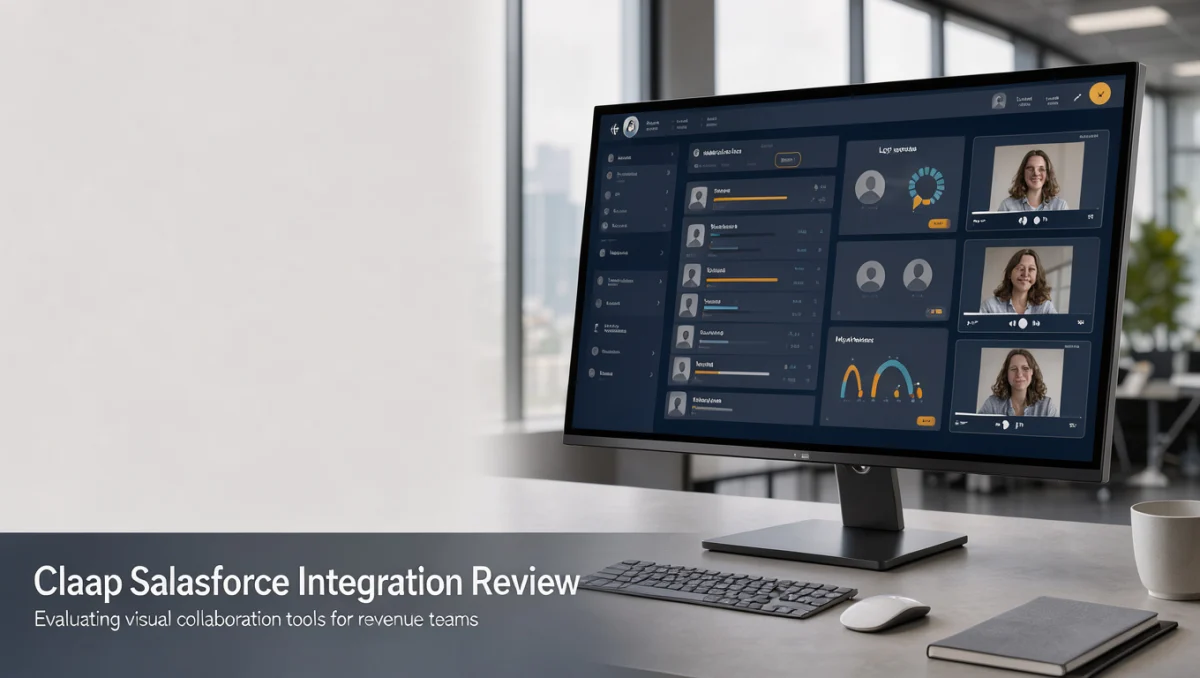
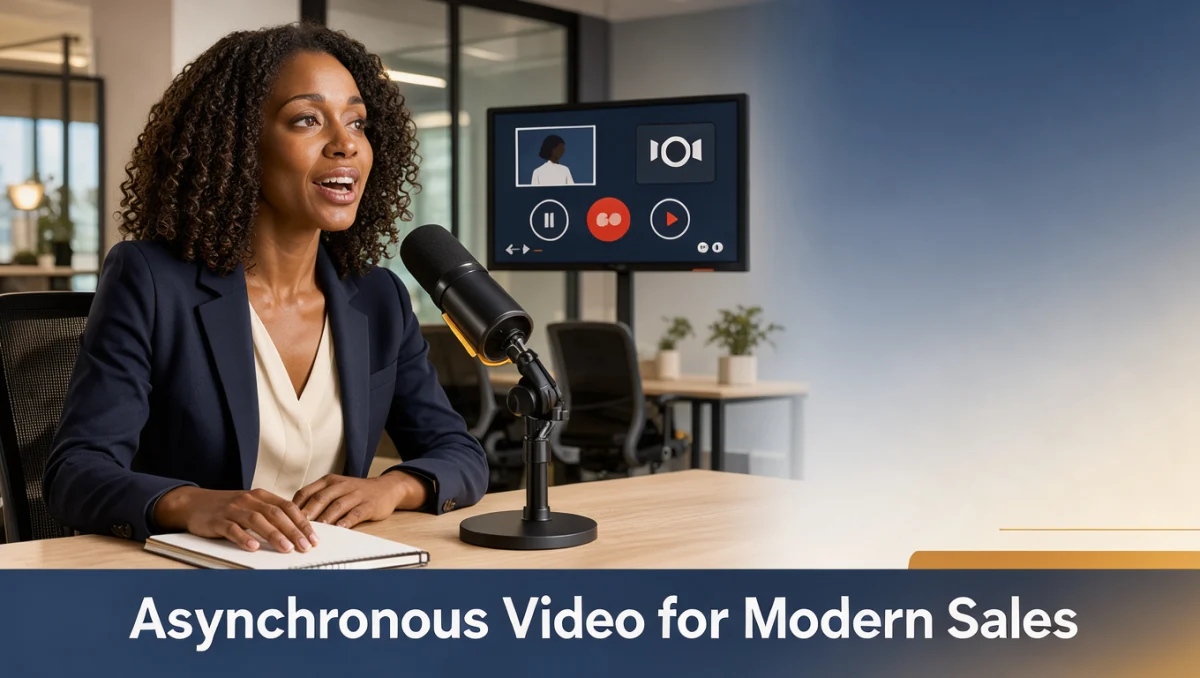
Claap combines asynchronous screen recording, short video notes and meeting intelligence in one workspace. Account executives can record product walkthroughs or proposal summaries, prospects can respond at their own pace, and internal colleagues can leave timestamped feedback. The platform is built for remote-first companies that want fewer calendar-bound meetings without losing context.
Within broader Artificial Intelligence workflows, buyers often look for automatic transcription, summaries and structured notes tied to customer accounts. Claap addresses that need by letting teams attach recorded discussions to sales opportunities, which helps maintain pipeline visibility across time zones.
Core Capabilities to Evaluate
Video Recording and Screen Capture
Representatives can record tailored demos, proposals and implementation recaps. Viewers control playback speed and comment at specific timestamps, which keeps cross-functional reviews moving without requiring everyone to be online at once.
Meeting Intelligence and Transcription
Recorded conversations can be transcribed and condensed into overviews. Revenue teams use these outputs to pull out action items, objections and feature requests. Confirm on the official site which languages and transcription options apply to your customer base.
Collaboration and Workspace Organization
Shared folders and account channels keep customer-facing videos in one place. Team members can tag colleagues, assign follow-ups and reply with inline video or text, creating a searchable history that sales, marketing and product teams can revisit.
Ease of Use and Setup Effort
Adoption speed determines whether an asynchronous video tool pays off. The interface focuses on clean playback and straightforward comment threading, so recording and sharing clips during a busy sales cycle adds little friction.
Linking the workflow to an enterprise CRM like Salesforce is a different matter. Administrators must set sharing rules and check how links appear in opportunity feeds, and authentication typically needs admin permissions. Plan time for revenue operations to walk individual reps through account linking.
Strengths and Limitations in Practice
Where It Helps
- Reduces meeting fatigue by moving routine updates to asynchronous video.
- Keeps recordings alongside written comments and interaction history.
- Timestamped feedback clarifies technical discussions and contract details.
- Shared workspaces support knowledge transfer between sales and engineering.
Where It Falls Short
- Value depends on the team consistently recording, labeling and linking videos.
- Advanced enterprise sync features may sit behind specific plan tiers, so confirm the official pricing page.
- CRM data quality still relies on users following tagging conventions.
How Claap Compares With Other Video Tools
Loom is known for quick screen recording and broad team video sharing in everyday workplace communication. Gong focuses on enterprise revenue intelligence, offering conversation analytics and pipeline risk forecasting for sales management.
Claap sits between these two approaches, pairing lightweight asynchronous recording with meeting intelligence. Teams that want one workspace for both internal updates and client-facing recordings tend to evaluate it against single-purpose recording tools. Review your current tech stack to decide whether you need enterprise forecasting or flexible team video messaging.
Who Should Consider Claap
Strong Fit
- Mid-market sales teams sharing personalized proposal walkthroughs and documenting client commitments.
- Customer success managers delivering onboarding tutorials without repeating live training sessions.
- Distributed product and revenue teams needing visual feedback loops between sales notes and development.
- Solutions engineers documenting custom configurations for prospects during evaluations.
Consider Alternatives If
Solo entrepreneurs or micro-businesses with few customer interactions may find email or basic screen recording sufficient. Organizations without an active CRM will get limited return from CRM-oriented sync. Teams with strict on-premise hosting requirements should verify fit in the vendor's official documentation first.
Checklist Before You Subscribe
Vendors adjust tiers, seat allocations and admin controls over time, so verify each requirement on the official Claap pricing page before purchase.
| What to Check on the Official Page | Why It Matters for Your Business |
|---|---|
| CRM connectivity prerequisites | Enterprise CRM connections are often reserved for higher subscription tiers. |
| User seat and guest access rules | Per-seat billing affects the cost of including specialists or managers. |
| Video storage and retention policies | Archiving calls over multi-year cycles requires adequate storage. |
| Administrative and permission controls | Protecting client confidentiality requires granular control over who views and shares recordings. |
Frequently Asked Questions
How should teams prepare their CRM before connecting video tools?
Define clear naming conventions and decide which objects, such as leads or opportunities, will receive recorded video links. Setting these guidelines before onboarding keeps data consistent across the sales department.
What should buyers review regarding subscription costs?
Confirm minimum seat commitments, renewal terms and whether advanced transcription carries separate usage fees. Reviewing the official pricing page makes it easier to forecast ongoing expenses.
Can client-facing video links be shared with external prospects?
Platforms typically allow public or access-restricted links. Administrators should check sharing settings to ensure internal annotations stay hidden from external viewers.
How does asynchronous video change deal cycles?
Recorded walkthroughs let decision-makers review proposals on their own schedule without coordinating calendars, which often shortens turnaround on contract clarifications and technical reviews.
Final Verdict
At Top Apps Reviews, we judge tools on operational transparency and sustainable workflow value. The claap salesforce integration gives revenue teams a modern way to connect asynchronous video updates and meeting records with customer tracking. Buyers should carefully verify plan prerequisites and governance rules on the official Claap website, but for teams modernizing remote sales operations, it is a compelling option.
| Criterion | Score / 10 |
|---|---|
| Features | 8.0 / 10 |
| Ease of Use | 8.5 / 10 |
| Pricing and Value | 7.5 / 10 |
| Integrations | 7.0 / 10 |
| Audience Fit | 8.5 / 10 |
| Support | 7.0 / 10 |
| Competitive Position | 7.5 / 10 |
Overall score: 7.7 / 10
For guidance on selecting business software or to send questions to our editorial staff, visit Top Apps Reviews or reach our team through the contact page.