topappsreviews may earn a commission when you buy through links on this page, at no extra cost to you. This does not affect our ratings.
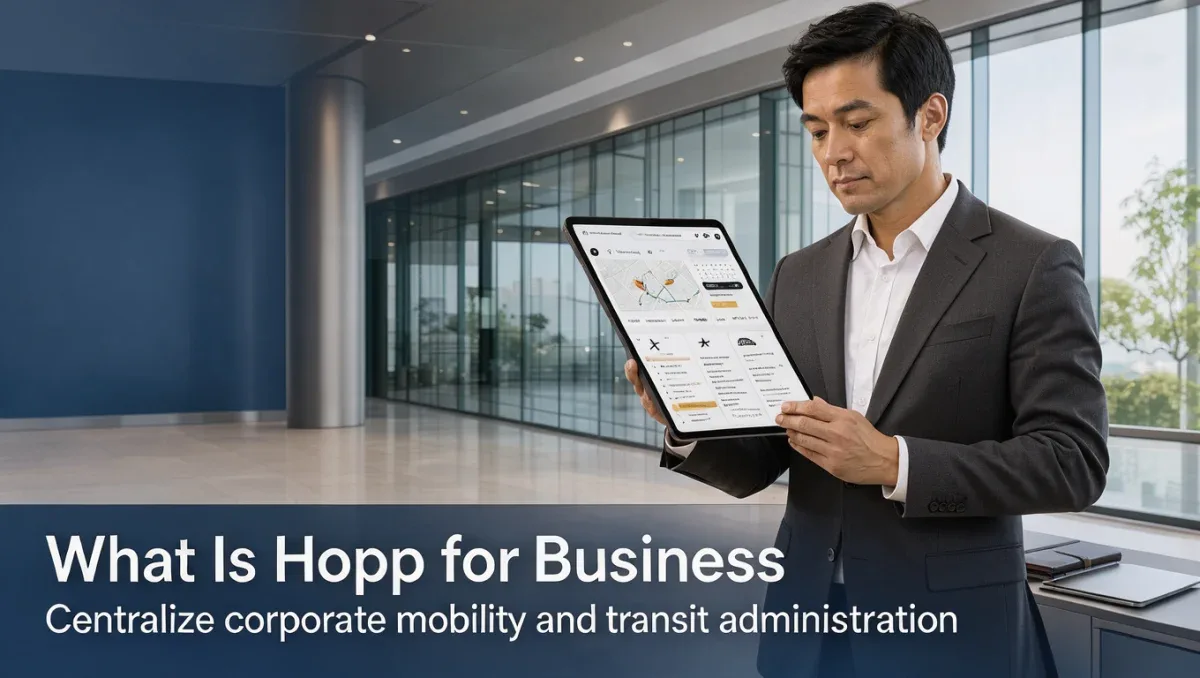
Operations coordinators, finance leads, and travel managers often ask what is hopp for business and whether it can bring order to scattered ground transport. Our team at Top Apps Reviews assesses enterprise platforms to show how digital systems can replace fragmented travel workflows with structured oversight.
When employees book rides, transit vouchers, and local trips through personal accounts, companies lose visibility over spending. A unified business transport system lets departments set travel rules, combine billing records, and keep daily transit activity transparent.
In short: Hopp for Business is a corporate transportation and mobility management platform. It helps organizations coordinate employee ground travel, monitor urban mobility usage, and combine travel costs into consolidated invoices. It suits companies that need clear travel policies, accountable commuting arrangements, and simpler expense reconciliation across teams.
| Software category | Main job | Typical users | Similar tools |
|---|---|---|---|
| Corporate mobility and travel management | Centralizing ground travel booking, policy enforcement, and consolidated transport invoicing | Operations teams, travel coordinators, office managers, and enterprise personnel | Uber for Business, Bolt Business, Freenow for Business |
1. How Top Apps Reviews Built This Guide
This guide pairs what the software is designed to do with the Top Apps Reviews buying framework, so you can choose what fits your business. Plans, prices, and limits change often, so we flag what to confirm on the official website before purchase. This article was researched and drafted with AI tools, then reviewed and edited by the Top Apps Reviews Editorial Team.
2. What Hopp for Business Does

To understand what is Hopp for Business, it helps to see how corporate ground transit platforms work in everyday operations. Rather than having workers submit paper receipts for short trips, the software brings local business travel under one organizational account.
2.1. Centralized booking and transit management
Corporate mobility software arranges urban transport for registered staff. Authorized team members book rides through approved corporate credentials, tying each trip to a sanctioned business purpose.
2.2. Travel policy governance
Administrative panels let supervisors set transit boundaries, allowed travel windows, and geographic limits. These guardrails keep team members within approved operating parameters when booking.
2.3. Consolidated expenditure and billing
The system groups individual trips into scheduled departmental invoices. Centralized journey data cuts administrative work for bookkeepers who track monthly travel costs across divisions.
- Automated trip logging linked to specific corporate cost codes
- Transit permissions configured by employee role
- Unified monthly statements for straightforward financial review
3. Where Hopp for Business Fits in Your Workflow
Ground travel software connects passenger mobility with administrative bookkeeping. Independent evaluations on Top Apps Reviews emphasize that specialized software handles data capture while internal teams keep strategic oversight.
| Business task | How this type of software helps | What you still do yourself |
|---|---|---|
| Policy creation | Applies automated constraints during the journey request process | Define acceptable transit rules, budget ceilings, and eligible staff categories |
| Expense reconciliation | Consolidates all completed journeys into organized electronic summaries | Review line items, confirm general ledger codes, and process payments |
| Commuter coordination | Provides structured platform access for scheduled team travel | Assign staff permissions and update personnel rosters during onboarding |
| Audit compliance | Maintains timestamped travel archives across every department | Verify tax compliance guidelines with qualified accounting professionals |
4. Key Terms Explained
Corporate transportation management uses specific terminology that administrative buyers should understand before rolling the platform out to staff.
- Corporate mobility platform: A digital system designed to oversee and coordinate employee transit services and commercial ground transport.
- Consolidated billing: An accounting method that groups multiple individual passenger journeys into a single periodic corporate invoice.
- Travel policy rules: Automated parameters set by administrators to regulate ride eligibility, operating hours, and expense thresholds.
- Cost code allocation: The process of assigning specific transit costs to designated project accounts or departmental budgets.
- Roster synchronization: The workflow of keeping active staff directories aligned with passenger booking privileges.
5. Who Uses It and Who Does Not Need It
Assessing organizational demand makes sure a dedicated travel administration tool matches how often your company actually travels.
5.1. Teams that benefit from corporate mobility software
- Companies with staff who travel often between branch offices, client sites, or municipal event venues
- Organizations that want to connect transit costs with broader Accounting software and expense management practices
- Operations teams spending excessive time manually reviewing scattered transport receipts
- Enterprises needing accountable transit oversight for evening shifts or temporary field contractors
5.2. Organizations that may not need a dedicated platform
- Fully remote businesses with negligible ground transportation needs
- Sole proprietors whose occasional transit expenses are easy to track through standard credit card statements
- Companies operating in regions without shared micro-mobility or on-demand fleet coverage
6. How to Get Started
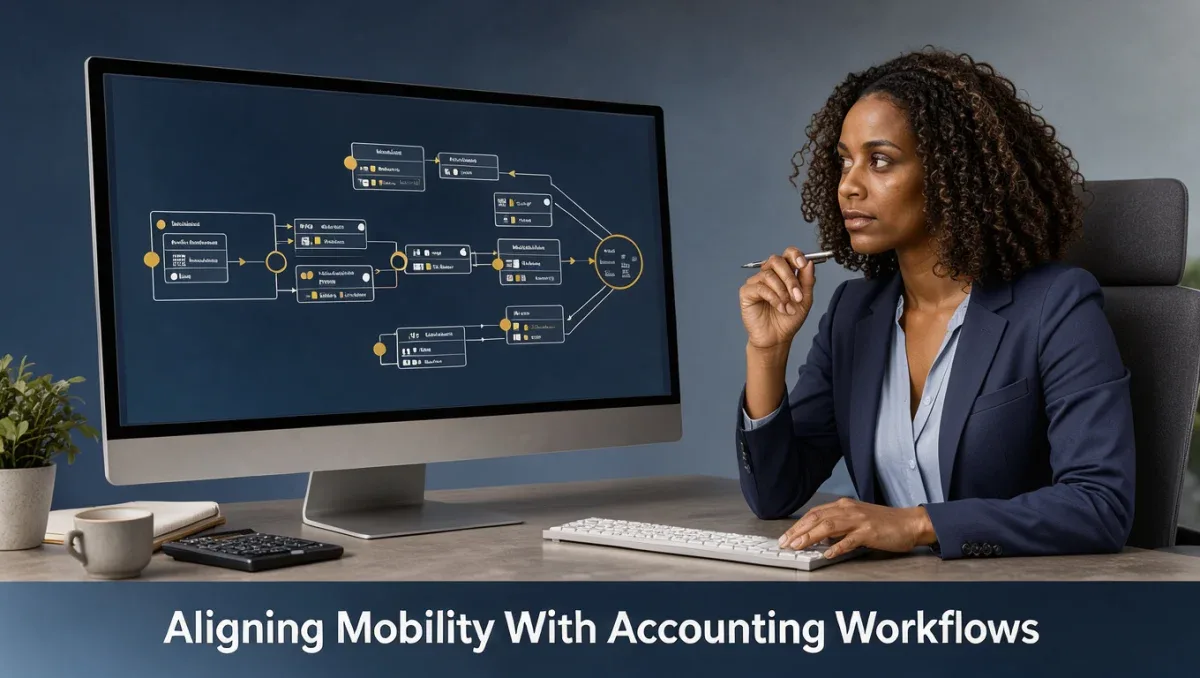
Adopting corporate transit software calls for structured planning rather than immediate company-wide deployment. Following an ordered evaluation process helps avoid disrupting daily employee commutes.
- Audit current transportation spending across all corporate payment cards to gauge monthly travel frequency and administrative overhead.
- Visit the official Hopp for Business website to confirm supported operating areas, administrative seat requirements, and commercial invoicing terms.
- Draft internal transit guidelines detailing which personnel qualify for corporate transport and which city routes are permitted.
- Start a controlled departmental pilot with a small administrative group to test billing consolidation and policy compliance.
- Consult your corporate bookkeeper to confirm how aggregated travel invoices will map to your internal chart of accounts.
7. Frequently Asked Questions
7.1. What makes corporate mobility software different from manual expense reporting?
Corporate mobility platforms capture transactions automatically at booking, so workers no longer need to pay out of pocket and submit paper receipts. Administrators receive organized digital invoices directly, which speeds up bookkeeping and helps prevent unauthorized travel claims.
7.2. Why should organizations centralize business transportation management?
Centralized ground travel management gives finance leaders direct visibility into employee transit habits and total spending. Automated policies keep corporate funds within approved parameters while significantly reducing the time spent reconciling individual travel vouchers.
7.3. Which business size benefits most from corporate mobility platforms?
Organizations with multiple traveling employees, field representatives, or regional consulting teams gain the most from corporate transit administration. Sole operators or small partnerships with infrequent transit needs can often manage travel documentation with standard business banking tools.
7.4. When should an administrator consult finance specialists before rollout?
Administrators should consult certified tax specialists and accounting professionals before launching any employee transport benefit. Professional advice ensures that commuter subsidies, local transport allowances, and corporate ride reimbursements meet jurisdictional tax reporting requirements.
8. Bottom Line
Hopp for Business offers a focused approach to corporate urban transport, giving administrative teams policy enforcement and unified invoicing for ground travel. Organizations stuck with administrative bottlenecks from scattered travel receipts will find that centralized mobility systems bring order to daily commuter logistics.
Before signing an agreement, verify regional vehicle availability and contract terms directly on the official vendor site to confirm the platform fits your operating footprint.
Have a question about choosing software? Send it to the Top Apps Reviews team through our contact page or follow Top Apps Reviews on LinkedIn for new reviews and comparisons.