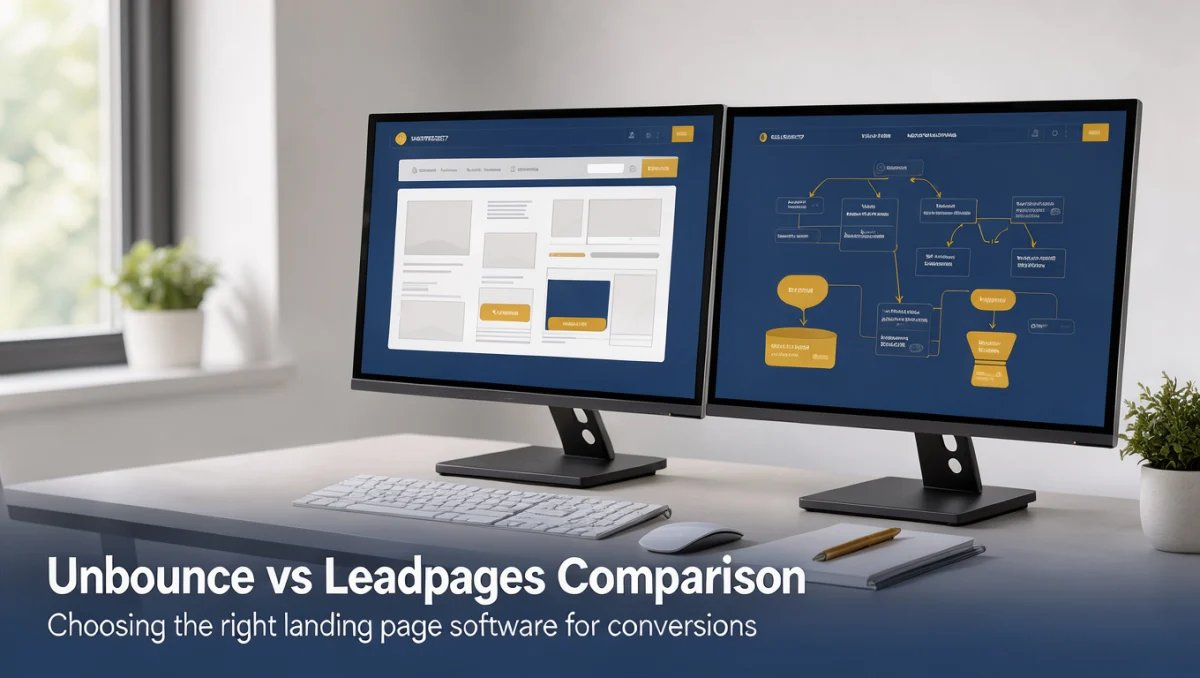
Shopping for a landing page tool often means weighing unbounce vs leadpages side by side, since each platform is built around a different idea of what a good campaign page should do. One leans toward pixel-level design freedom, while the other gets pages live with far less effort. Understanding those differences makes the decision much simpler.
Here at Top Apps Reviews, we have looked at both tools through the lens of everyday marketing work. The right answer depends on your team's design comfort, how complex your campaigns are, and how much traffic you expect to send to your pages.
Quick verdict: Our overall score for the unbounce vs leadpages comparison is 7.9/10. Unbounce suits performance marketers who want fine-grained control, while Leadpages suits small business owners and creators who want quick deployment without a steep learning curve.
| Metric | Evaluation Summary |
|---|---|
| topappsreviews score | 7.9/10 |
| Best for | Marketing teams wanting granular layout control and conversion experimentation |
| Not ideal for | Operators who want a single all-in-one content site builder without dedicated landing pages |
| Key strengths | Specialized conversion design tools and focused lead generation workflows |
| What to check before buying | Confirm user seating rules and monthly traffic limits on official vendor pages |
1. How We Reviewed Unbounce and Leadpages
We examined what each platform is designed to accomplish, the audience it serves, and how it stacks up against comparable tools. Our review follows seven criteria: features, ease of use, pricing and value, integrations, audience fit, support, and competitive position. Plans and limits change frequently, so treat our notes as a starting point and confirm current details on the vendor websites before purchasing. This article was researched and drafted with AI assistance, then reviewed and edited by the Top Apps Reviews Editorial Team.
2. Quick Comparison and Positioning Overview
Knowing where each platform concentrates its development helps you judge which one matches your operational needs. Landing page builders occupy distinct niches within conversion optimization.
| Tool | Best for | Core strength | Consider if |
|---|---|---|---|
| Unbounce | Agencies and performance marketers | Granular visual editing and variant experimentation | Your campaigns require precise pixel placement and layout variations |
| Leadpages | Small business owners and solo entrepreneurs | Structured templates and quick lead publishing | You need straightforward lead collection assets launched in minimal time |
Unbounce is a specialized landing page optimization platform built to help marketers create, publish, and test tailored campaign pages. Its focus is layout freedom, letting teams build pages that line up with paid ad sets and targeted promotions.
Leadpages is a lead generation system offering templates for landing pages, alert bars, and pop-up forms. It targets creators and small businesses that want a web presence and contact collection without wrestling with detailed design mechanics.
3. Features for Landing Page Creation
Each platform provides design tools that shape how teams build campaigns. Comparing feature sets means looking at how each handles page construction, conversion assets, and visitor tracking.
3.1. Page Building Mechanics
Unbounce uses a visual design system that lets creators position elements freely across desktop and mobile views. Marketing specialists can build distinctive brand experiences, adjust margins manually, and tailor mobile layouts independently from desktop versions. For businesses spending heavily on paid traffic, this control keeps ad copy and page assets tightly aligned.
Leadpages uses a structured, grid-based layout editor. Content blocks snap into defined rows and columns, which keeps pages responsive on mobile automatically. This structure limits manual placement, but it prevents design breakage and cuts formatting time for non-technical creators.
3.2. Conversion and Lead Capture Elements
Lead generation relies on sticky bars, pop-up forms, and multi-step opt-in boxes to engage prospective buyers. Leadpages includes native components for capturing subscriber details across many touchpoints, including pop-ups that can be embedded on external websites.
Unbounce offers focused tools for targeted overlays and dynamic text insertion, so campaign creators can swap keywords automatically based on search queries. Modern platforms also borrow techniques from the wider Artificial Intelligence sector to help with text suggestions and variant generation, so it is sensible to check the current creative tooling on each provider's website.
4. Ease of Use and Campaign Workflow
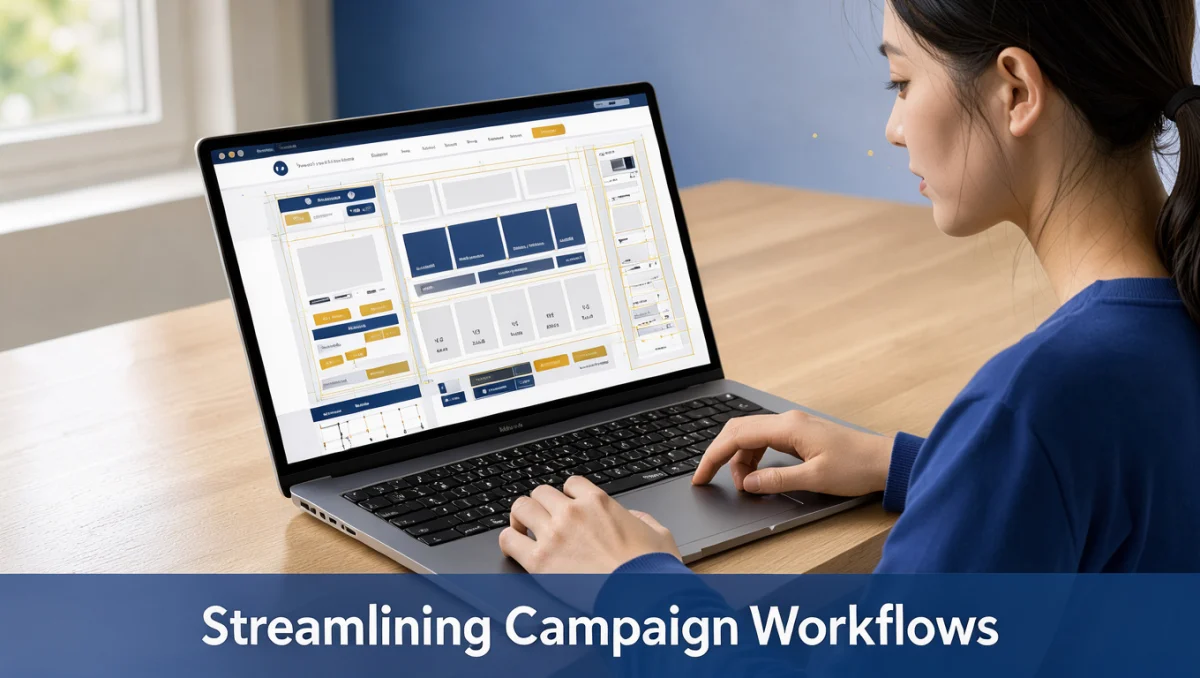
The learning curve of any marketing tool directly affects how quickly you can deploy and how productive your team is. Choosing between flexible customization and structured simplicity determines how fast your campaigns go live.
4.1. Visual Canvas and Editing Experience
Working in Unbounce feels like using professional graphic design software. Users who value complete creative autonomy can place elements anywhere on the canvas. That flexibility, however, means spending time refining mobile viewports by hand to avoid overlapping text or misaligned buttons.
Leadpages offers a straightforward interface: pick a pre-formatted design, replace the placeholder text, and connect your form destination. Because the layout engine keeps pages responsive within set rules, builders can publish working pages in a short time without deep design experience.
4.2. Template Management
Both platforms provide large template collections organized by business goals such as lead generation, webinar registration, and sales page promotion. Leadpages arranges templates by historical conversion performance within its ecosystem, giving non-designers dependable starting points. Unbounce provides templates built around agency and client campaign structures that serve as foundations for custom branding.
5. Pricing Structure and Value Assessment
Subscription models for landing page software vary by usage thresholds, account capabilities, and access rights. Knowing what drives overall cost helps you plan a sustainable software budget.
5.1. Cost Drivers in Landing Page Software
Vendors in this category adjust subscription tiers based on several operational factors:
- Visitor traffic volumes, including monthly page views or unique visitors.
- The total number of published domains and active landing pages allowed on an account.
- Collaborative team access, such as separate user seats and client account management.
- Access to advanced experimentation capabilities, including multivariate testing.
Before committing, confirm on the official Unbounce pricing page and the official Leadpages pricing page which caps apply to visitor counts and domain connections.
5.2. Evaluating Long-Term Return on Investment
Total value comes down to the team time you spend compared with the conversion results you get. When a business runs high-budget ad campaigns, the ability to lift conversion rates through deeper page customization often offsets higher platform fees. Businesses generating modest traffic, on the other hand, often find more value in affordable, structured solutions that need little maintenance.
6. Integrations and Marketing Stack Fit
Landing page builders must communicate smoothly with email marketing platforms, customer relationship managers, and payment gateways. Confirming that a new tool fits your current stack prevents operational friction.
6.1. Data Handoff and Automation
When a visitor submits an opt-in form, the landing page software sends their details to an email provider or database. Both Unbounce and Leadpages offer standard connections to well-known email marketing platforms and automation services. Still, check on the official vendor websites whether direct integrations exist for your specific CRM or whether an intermediate webhook connection is required.
6.2. Analytics and Tracking Capabilities
Performance marketers need to install tracking scripts, conversion pixels, and analytics tags across their web properties. Both platforms accommodate tracking code in header and footer settings. Unbounce provides reporting dashboards designed for split-test evaluation, while Leadpages offers clear lead tracking that summarizes overall submission rates.
7. Audience Fit and Team Requirements
Matching software to your team's composition prevents unnecessary complexity and reduces workflow bottlenecks. Different business structures benefit from different page-building approaches.
7.1. Performance Marketers and Agencies
Unbounce is built for performance marketers, conversion rate optimization practitioners, and digital agencies. These users need deep control over visual presentation, dynamic keyword insertion to match search ads, and the ability to test several page versions at once for client campaigns.
7.2. Solo Creators and Local Businesses
Leadpages serves independent consultants, small local businesses, educators, and content creators. These operators often juggle multiple responsibilities and need a dependable way to collect newsletter signups, sell consultations, or promote local services without managing complex web development projects.
7.3. Organizations Requiring Complex Web Ecosystems
Neither tool replaces a full-scale content management system or enterprise e-commerce platform. Companies that need hundreds of interlinked blog posts, multi-tier user logins, or extensive product catalogs should look at dedicated web infrastructure rather than stand-alone landing page tools.
8. Customer Support and Platform Reliability
Reliable access and competent troubleshooting help keep marketing campaigns running smoothly. Campaign managers should weigh support structures before launching critical promotional periods.
8.1. Support Channels to Verify
Support levels vary by subscription tier. Before buying, check on the official Unbounce and Leadpages websites which plans include live chat, email ticketing, or scheduled phone support, and note the operating hours for each channel.
8.2. Documentation and Self-Service Resources
Both platforms maintain extensive knowledge bases, video walkthroughs, and marketing resource libraries. Self-service documentation helps teams resolve formatting questions, configure custom domain records, and troubleshoot form submission settings on their own.
9. Competitive Position in the Landing Page Market
The landing page market includes several dedicated alternatives, such as Instapage, ClickFunnels, and native page builders inside broader marketing hubs like HubSpot. In this landscape, Unbounce holds its position by serving conversion experimentation specialists, while Leadpages stays focused on accessible lead generation assets for resource-conscious businesses.
10. How to Decide Between Unbounce and Leadpages

Picking the right platform requires an honest look at your technical skills, ad spend, and marketing workflow. A structured checklist makes the choice much clearer.
10.1. Evaluation Checklist
| Evaluation Factor | Unbounce Focus | Leadpages Focus |
|---|---|---|
| Design Freedom | High, open visual canvas | Structured, template-guided |
| Setup Speed | Requires time for manual positioning | Rapid, pre-formatted publishing |
| Campaign Type | Targeted paid ad conversions | Lead magnets and simple service sales |
| Skill Requirement | Basic understanding of design principles | Accessible for complete beginners |
10.2. Decision Steps
- Identify your primary traffic source: If most visitors arrive from targeted paid ads that require precise ad-to-page alignment, lean toward Unbounce.
- Evaluate your team bandwidth: If you lack a dedicated designer and need lead pages live within hours, lean toward Leadpages.
- Examine external tools: List your email marketing, analytics, and CRM services, then verify direct compatibility on the official software sites.
- Review monthly visitor projections: Compare your expected traffic with the visitor allowances listed on the official plan pages.
11. Frequently Asked Questions
How should buyers evaluate page load speed between landing page builders?
Test sample templates with standard website performance tools to see how asset compression and hosting networks handle mobile traffic. Clean code, optimized image files, and server infrastructure all affect load times, so testing individual templates is a smart first step.
What hidden expenses often come with landing page software?
Account for custom domain registration fees, transaction charges on digital product sales, premium font licenses, and possible third-party connector subscriptions. Reviewing official vendor documentation shows which features need external services or higher plan levels.
Can a business run effective campaigns without prior graphic design experience?
Structured template systems let non-designers launch clean campaigns using pre-tested typography, color pairings, and button placements. Choosing a platform with rigid responsive containers prevents accidental alignment errors and helps beginners publish professional pages reliably.
When should an organization move from basic templates to custom layouts?
Consider the move when rising ad budgets justify continuous testing of specific design components. If small conversion gains produce meaningful revenue growth, the investment in granular layout editing and custom variant testing becomes worthwhile.
12. Final Verdict and Rating Summary
The choice between Unbounce and Leadpages depends on whether your organization values creative autonomy or publishing speed. Both platforms capture leads and support marketing goals, but their interfaces suit different operational mindsets.
| Criterion | Score /10 | Reason |
|---|---|---|
| Features | 8.6 | Strong conversion tools, dynamic text adaptation, and dedicated variant testing capabilities. |
| Ease of Use | 7.8 | Granular design options create a steeper learning curve than simple structured builders. |
| Pricing and Value | 7.2 | Higher operational costs mean buyers must confirm traffic caps on official plan pages. |
| Integrations | 7.6 | Covers major email and CRM tools, with webhook connectivity for custom setups. |
| Audience Fit | 8.5 | Clear separation between conversion specialists and small business lead gatherers. |
| Support | 7.4 | Vendor documentation is thorough, though direct support access depends on plan tiers. |
| Competitive Position | 8.3 | Holds a distinct role focused on optimization compared to broad marketing suites. |
Overall score: 7.9/10
For performance marketers running targeted paid traffic campaigns, Unbounce provides the design depth needed for conversion optimization. For independent entrepreneurs and small business operators who want straightforward lead capture, Leadpages delivers an approachable, time-efficient solution.
Readers with further questions about landing page platforms and software selection are welcome to contact our editorial team at https://topappsreviews.com/contact/ or follow Top Apps Reviews on LinkedIn at https://www.linkedin.com/company/topappsreviews/.